







How to implement DMX and wireless control for stage lighting?
- Understanding Stage and Theatre Lighting: Implementing DMX and Wireless Control
- 1. What is DMX, and why is it essential for stage lighting?
- 2. How do wireless DMX systems work in stage lighting?
- 3. What are the advantages of using wireless control for stage lighting?
- 4. What are the key considerations when implementing wireless DMX systems?
- 5. How do brightness and color range affect lighting performance?
- 6. What installation flexibility should be considered for wireless LED stage lighting?
- 7. What are the typical price ranges for wireless LED stage lighting systems?
- 8. How does wireless control improve the efficiency of lighting setups?
Understanding Stage and Theatre Lighting: Implementing DMX and Wireless Control
Effective stage and theatre lighting is crucial for creating immersive and dynamic performances. The integration of Digital Multiplex (DMX) protocols and wireless control systems has revolutionized lighting design, offering enhanced flexibility and efficiency. This guide addresses common questions and provides professional insights for those involved in the LED stage lighting industry.
1. What is DMX, and why is it essential for stage lighting?
DMX512 is a standard protocol used to control lighting and effects in stage productions. It allows for precise control over various lighting parameters, including intensity, color, and movement, enabling designers to create complex lighting scenes and cues. Understanding DMX is fundamental for effective lighting control and integration.
2. How do wireless DMX systems work in stage lighting?
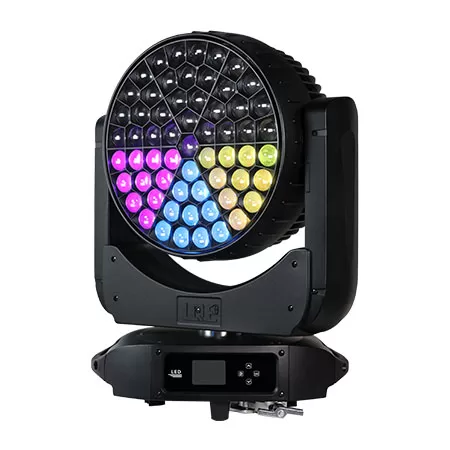
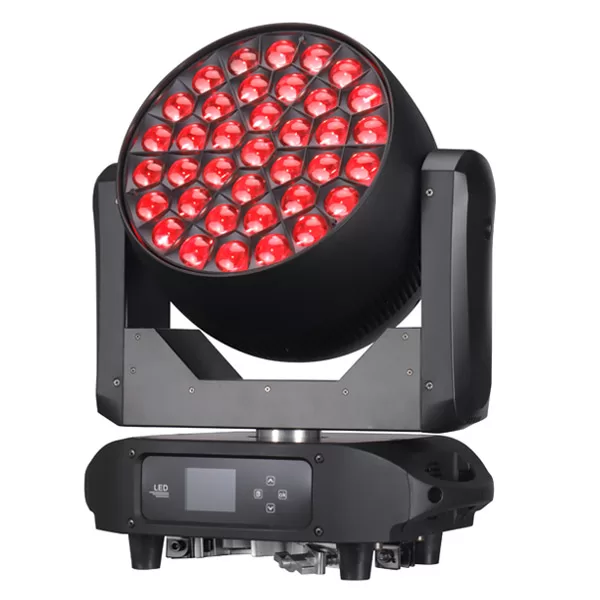
Wireless DMX systems transmit DMX data over radio frequencies, eliminating the need for physical cables. This wireless transmission allows for greater flexibility in fixture placement and reduces setup time. However, it's essential to consider factors such as range, latency, and potential interference when implementing wireless DMX systems.
3. What are the advantages of using wireless control for stage lighting?
Wireless control offers several benefits:
Reduced Cabling: Minimizes the need for extensive wiring, leading to cleaner setups and faster installations.
Flexibility: Allows for dynamic placement of lighting fixtures without being constrained by cable lengths.
Safety: Decreases tripping hazards associated with cables on stage.
These advantages contribute to more efficient and adaptable lighting designs.
4. What are the key considerations when implementing wireless DMX systems?
When integrating wireless DMX, consider the following:
Reliability and Latency: Ensure the system provides low and consistent latency, ideally below 10 ms, to maintain synchronization during live performances.
Range and Interference: Assess the system's range and its resistance to interference, especially in environments with potential RF congestion.
Security and Compliance: Implement measures to secure the wireless network and comply with local regulations regarding wireless transmissions.
Proper planning and selection of equipment are crucial for successful wireless DMX implementation.
5. How do brightness and color range affect lighting performance?
Brightness, measured in lux or lumens, determines the visibility and impact of lighting effects. Higher values, such as 4800 lux, provide excellent visibility for larger spaces. Color range, influenced by LED configurations like RGBW, allows for a broader spectrum and smoother color transitions, enhancing the visual experience.
6. What installation flexibility should be considered for wireless LED stage lighting?
Installation flexibility is vital for adapting to various event setups. Look for adjustable mounting options that let you position lights on the floor, trusses, or walls, depending on your venue. Systems with 360° adjustable brackets help you achieve ideal light coverage, even in tight spaces.
7. What are the typical price ranges for wireless LED stage lighting systems?
Prices for wireless LED stage lighting systems vary based on features and capabilities. For example, the LS-ZQ01528 wireless RGBW stage light is priced at $190.00, offering a balance between affordability and functionality. It's essential to assess your specific requirements and budget when selecting a system.
8. How does wireless control improve the efficiency of lighting setups?
Wireless control streamlines the setup process by reducing the need for extensive cabling, allowing for quicker and more efficient installations. It also enables real-time adjustments during events, enhancing the overall performance and audience experience.
In conclusion, integrating DMX protocols and wireless control systems into stage lighting designs offers significant advantages in terms of flexibility, efficiency, and creative possibilities. By understanding these technologies and considering the outlined factors, lighting professionals can enhance their productions and deliver compelling visual experiences.
LQE stands out in the LED stage lighting industry by offering innovative solutions that combine advanced technology with user-friendly features. Their products are designed to meet the diverse needs of modern stage productions, ensuring reliability and exceptional performance.
Sources:
"Wireless DMX & Bluetooth Control for Stage Light Systems," VELLO Light Co., Ltd., December 3, 2025.
"Wireless Control Options for Stage Lighting," VELLO, December 16, 2025.
"Wireless LED Stage Lighting Control Guide," VELLO, December 18, 2025.
"Battery Led Stage Light: Elevated Ambiance," Pro Stage Light, December 1, 2025.
"Wireless dmx systems," ControlBooth, December 15, 2025.
"DMX Lighting Basics for Stage Light Control | Guide," Siterui SFX, December 10, 2025.
"The Rise of Wireless DMX: Benefits and Challenges for Stage Lighting," Stage Lights, April 2025.
"Wireless light control system with control apparatus and method thereof," Google Patents, July 28, 2011.
Distributor
What support does LQE offer to its distributors?
We provide our distributors with a full package of support, including:
Marketing materials and product catalogs
Technical training and manuals
Fast-response after-sales service
Exclusive regional pricing and policies (for qualified partners)
Priority access to new products and updates
What types of companies can become LQE distributors?
We welcome partnerships with companies that have experience in the entertainment, AV, lighting, or stage equipment industries. Whether you are a local reseller, importer, system integrator, or project contractor, we are open to exploring win-win cooperation.
What are the advantages of becoming an LQE distributor?
Access to high-performance, patented lighting products
Competitive factory pricing and excellent profit margin potential
Strong R&D capabilities with 80+ national patents
Reliable production capacity: 100,000 units annually
Dedicated account manager to support your growth
Is there a minimum order quantity (MOQ) to become a distributor?
MOQ requirements vary based on the product line and market region. However, for long-term distribution partnerships, we are flexible and can start with a trial order to build trust.
1000w
Do You Supply After-Sale Service?
LQE lighting offers 7x24 hrs systematic SOP customer support with dedicated personnel, ensuring quick and comprehensive assistance for stage lighting needs.
Want to learn more information?
[Reach out to us and receive professional guidance, a personalized quote, and the best solution for your needs.]
LQE is a professional LED stage lighting manufacturer, focusing on OEM/ODM and high-end customization.
◼ Contact LQE
Email: nana@lqelighting.com
WhatsApp: +86 198 7848 9298
Address: No. 8 Road Liguan, Guanyao, Nanhai District, Foshan, China.
Linkedin
YouTube
Whatsapp: +8618924548390
TikTok