

Mastering Stage Lighting Design: A Complete Guide to Using PAR Light Colors (R, G, B, A, L, C, UV)
- Introduction: Why Colors in PAR Lights Matter
- Understanding the Colors: When and How to Use Each PAR Light Color
- Red (R): Energy, Passion, and Drama
- Green (G): Nature, Freshness, and Harmony
- Blue (B): Calmness, Trust, and Mystery
- Amber (A): Warmth, Nostalgia, and Earthiness
- Lime (L): Vitality, Modernity, and Brightness
- Cyan (C): Innovation, Coolness, and Creativity
- Ultraviolet (UV): Mystery, Edge, and Spectacle
- Color Mixing: Amplifying the Impact of PAR Light Colors
- Techniques for Effective Color Mixing
- Practical Applications
- FAQs: Common Questions About Using PAR Light Colors
- 1. What is the best color for spotlighting a speaker?
- 2. How do I highlight an outdoor feature at night?
- 3. Can UV lighting work in daylight?
- 4. How do I prevent colors from clashing?
- 5. What’s the best way to transition between colors in a nightclub?
- LQE Moving PAR: A Revolutionary Innovation in Stage Lighting
- Key Features of LQE Moving PAR
- Anticipated Launch
- Conclusion: Crafting Memorable Experiences with PAR Lights
Stage lighting design is an art and science that transforms events, outdoor cultural displays, and nightclub environments into unforgettable experiences. PAR lights, with their wide range of colors—red (R), green (G), blue (B), amber (A), lime (L), cyan (C), and ultraviolet (UV)—play a pivotal role in creating mood, highlighting details, and evoking emotions. But how do you use these colors effectively in different scenarios? This guide dives deep into how to harness the power of each color and color mixing techniques for impactful lighting designs.
Introduction: Why Colors in PAR Lights Matter
Imagine walking into a nightclub pulsating with electric blue, or attending a serene outdoor cultural event bathed in amber and lime hues. The colors used in stage lighting design don’t just illuminate; they tell a story, set the mood, and create immersive environments. Whether you’re planning a dazzling concert, a cultural tourism showcase, or a high-energy club night, understanding how to use PAR light colors is crucial.
This guide unpacks how each color impacts different settings, explores the artistry of color mixing, and provides actionable tips for effective lighting design.
Understanding the Colors: When and How to Use Each PAR Light Color
Red (R): Energy, Passion, and Drama
- Event Production : Use red to emphasize moments of intensity, such as a climactic speech or a high-energy musical segment.
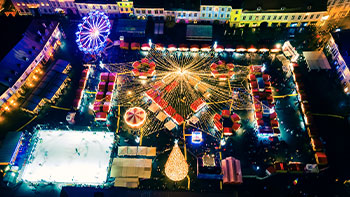
- Outdoor Cultural Tourism : Red works well for historical reenactments or dramatic lighting on monuments, conveying passion and depth.
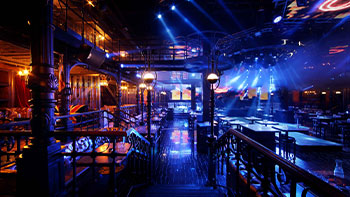
- Nightclub Entertainment : Create a fiery, energetic atmosphere by combining red with dynamic patterns or strobes.
💡 Pro Tip : Pair red with UV for a moody, surreal effect in clubs or haunted-themed events.
Green (G): Nature, Freshness, and Harmony
- Event Production : Ideal for eco-themed events or calm, introspective moments.
- Outdoor Cultural Tourism : Use green to illuminate trees, gardens, or nature-inspired exhibits.
- Nightclub Entertainment : Add a hint of green to laser effects for a futuristic vibe.
💡 Pro Tip : Mix green with lime for a more vibrant, neon-like feel.
Blue (B): Calmness, Trust, and Mystery
- Event Production : A go-to for creating serene and trustworthy vibes in corporate or formal events.
- Outdoor Cultural Tourism : Use blue for water-themed displays or to simulate moonlight on outdoor stages.
- Nightclub Entertainment : Combine blue with UV to heighten the sense of mystery and allure.
💡 Pro Tip : Use a gradient of blue shades for a mesmerizing depth effect.
Amber (A): Warmth, Nostalgia, and Earthiness
- Event Production : Amber light is perfect for vintage-themed events or to provide a welcoming ambiance.
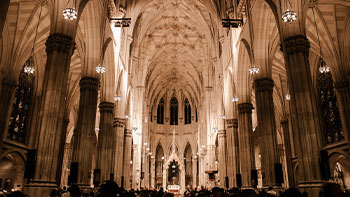
- Outdoor Cultural Tourism : Highlight warm tones of historic buildings or golden hour simulations.
- Nightclub Entertainment : Use amber sparingly for transitions, softening the energy between intense lighting segments.
💡 Pro Tip : Blend amber with cyan for unique sunset-like hues.
Lime (L): Vitality, Modernity, and Brightness
- Event Production : Great for uplifting moments, such as product launches or keynote finales.
- Outdoor Cultural Tourism : Illuminate contemporary sculptures or interactive exhibits with lime for a modern touch.
- Nightclub Entertainment : Lime adds a punchy glow that complements energetic beats.
💡 Pro Tip : Lime mixed with blue or cyan can create unique, high-contrast designs.
Cyan (C): Innovation, Coolness, and Creativity
- Event Production : Cyan emphasizes technology themes and futuristic aesthetics.
- Outdoor Cultural Tourism : Perfect for highlighting aquatic themes or modern architecture.
- Nightclub Entertainment : Create a surreal, icy atmosphere by pairing cyan with blue or green.
💡 Pro Tip : Use cyan as a transition color in dynamic sequences.
Ultraviolet (UV): Mystery, Edge, and Spectacle
- Event Production : UV lighting is ideal for creating standout effects, like glowing costumes or props.
- Outdoor Cultural Tourism : Add a magical touch to glow-in-the-dark installations.
- Nightclub Entertainment : UV amplifies the excitement of neon-painted dancers and reactive décor.
💡 Pro Tip : Mix UV with other colors for an ethereal effect that mesmerizes the audience.
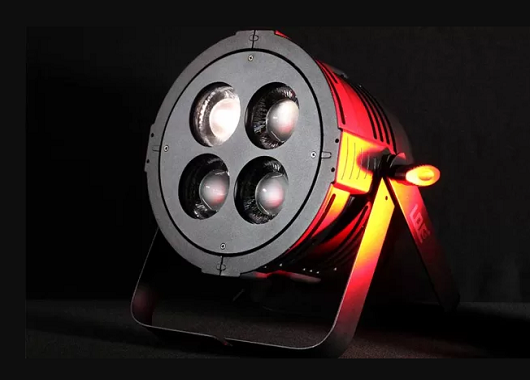
Color Mixing: Amplifying the Impact of PAR Light Colors
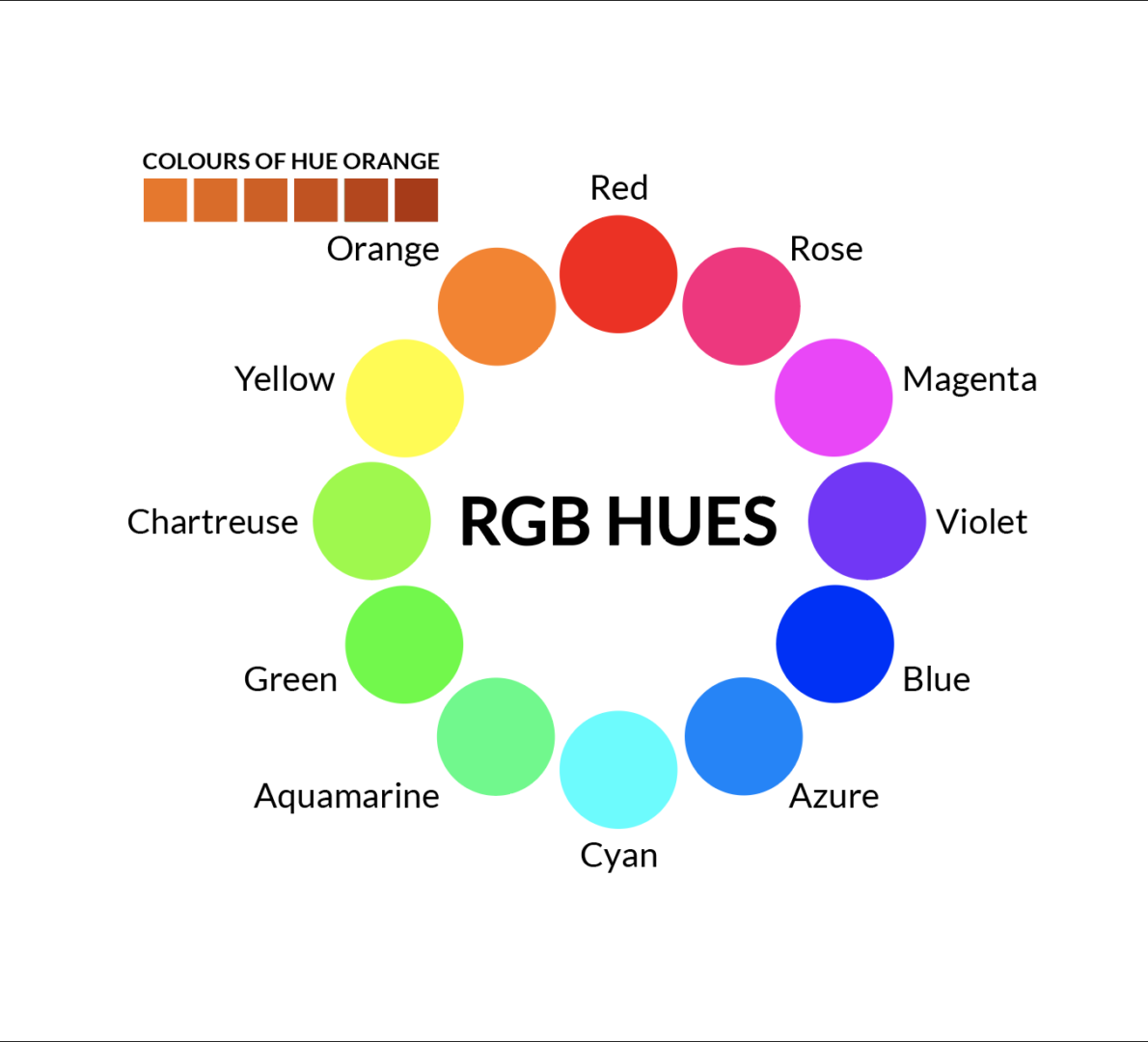
The real magic of stage lighting lies in color mixing. When you combine colors, you unlock a spectrum of possibilities tailored to the mood and tone of your event.
Techniques for Effective Color Mixing
- Additive Mixing : Blend colors by overlapping light beams. For example, red and blue combine to form purple, adding a sense of mystery.
- Subtractive Mixing : Use filters or gels to absorb certain wavelengths, resulting in more muted tones.
- Layering : Gradually fade one color into another, creating smooth transitions for emotional storytelling.
Practical Applications
- Event Production : Use red and amber for warm, engaging tones during key moments.
- Outdoor Cultural Tourism : Blend green and lime to simulate vibrant foliage under sunlight.
- Nightclub Entertainment : Combine UV with bold colors like cyan or magenta for a surreal glow.
FAQs: Common Questions About Using PAR Light Colors
1. What is the best color for spotlighting a speaker?
Amber and lime are excellent choices for warm, flattering illumination without overpowering the stage.
2. How do I highlight an outdoor feature at night?
Use cool tones like blue and cyan for water or stone features and warm tones like amber for wood or historical details.
3. Can UV lighting work in daylight?
UV effects are best in low-light environments, as their subtle glow is easily overshadowed by natural light.
4. How do I prevent colors from clashing?
Stick to complementary color schemes or test combinations beforehand to ensure harmony.
5. What’s the best way to transition between colors in a nightclub?
Use layering and fade effects to maintain energy without abrupt shifts.
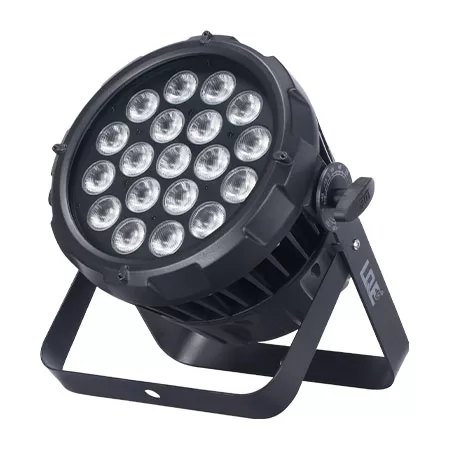
LQE Moving PAR: A Revolutionary Innovation in Stage Lighting
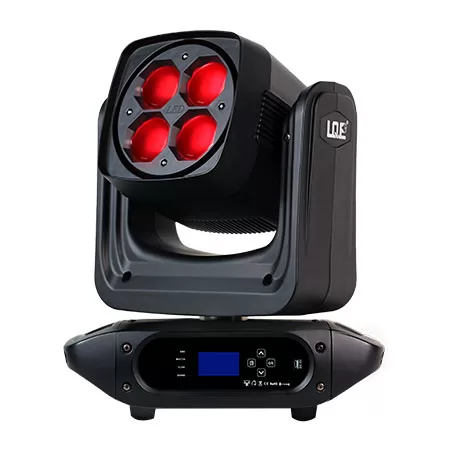
The LQE Moving PAR represents a bold leap forward in stage lighting technology. Designed to combine the compact simplicity of PAR lights with the dynamic flexibility of moving head lights, this new product redefines versatility without compromising affordability.
Key Features of LQE Moving PAR
-
Compact, Simplified Design
Unlike moving wash lights, the LQE Moving PAR features a streamlined structure, reducing mechanical complexity and ensuring greater reliability. -
Dynamic Angle Adjustment
Traditional PAR lights are limited by their fixed angles. The LQE Moving PAR solves this pain point by introducing flexible, programmable angle adjustments, offering unparalleled precision for stage design. -
Cost-Effective Innovation
By focusing on essential features and reducing unnecessary components, the LQE Moving PAR provides a high-performance solution at a fraction of the cost of comparable moving lights. -
Versatility in Application
This hybrid lighting solution is perfect for a wide range of scenarios, from live events and theatrical productions to concerts and architectural lighting.
Anticipated Launch
The LQE Moving PAR is slated for release in Getshow February 2025 , and it promises to set a new benchmark in the industry. This innovation highlights the brand’s commitment to solving user challenges while delivering exceptional value.
Stay tuned for more updates as the R&D team completes this groundbreaking development!
Conclusion: Crafting Memorable Experiences with PAR Lights
Using PAR light colors effectively in stage lighting design is both an art and a strategy. From the warm glow of amber to the electric vibe of lime, each color brings unique energy and emotion to your scenes. By understanding the nuances of color mixing and tailoring your choices to specific settings, you can elevate your event production, outdoor cultural tourism displays, or nightclub entertainment to new heights.
Remember, lighting isn’t just about visibility—it’s about creating moments that resonate with your audience.
- 7 Expert Strategies to Design Captivating Outdoor Lighting for Theme Parks & Architectural Landscapes
- Why IP65 Waterproof Pixel Strobe Lights Are a Game-Changer for Large Concerts: 7 Crucial Benefits Unveiled
- Why Are Outdoor Stage Lamps Getting Smaller and Lighter? The Game-Changing Trend in Stage Lighting
- What Is a Good CMY for Stage Lighting? A Complete Guide
- Why Do We Need High-Power Moving Head Beam Lights with CMY for Performances & Large-Scale Outdoor Theme Events?
Distributor
What is your typical lead time for distributor orders?
Our standard production lead time is 15–30 working days depending on order volume and customization requirements. For stocked models or repeat orders, we can offer shorter delivery times.
How can I apply to become a distributor?
Simply fill out the contact form on this page or email us directly with your company information, market background, and cooperation intention. Our sales team will get in touch with you within 1–2 business days.
Do you offer OEM/ODM support for distributors?
Yes, as a professional OEM/ODM manufacturer, we support brand customization, including logo printing, packaging design, and even custom features based on project needs.
1000w
Does LQE Offer Customized Stage Moving Light Solution?
An experienced R&D team can provide customized digital stage lighting OEM/ODM solution service to meet clients’ unique demands from global markets, such as customized CRI parameter, Ingress protection rating, effect, etc.
Does LQE Offer a Stage Light Design Solution?
LQE experienced team glad to supply a stage lighting configuration design solution or suggestion for projector who don’t have much experience in lighting design, project, theatre and studio.
Want to learn more information?
[Reach out to us and receive professional guidance, a personalized quote, and the best solution for your needs.]
LQE is a professional LED stage lighting manufacturer, focusing on OEM/ODM and high-end customization.
◼ Contact LQE
Email: kyle@lqelighting.com
WhatsApp: +86 180 2413 9579
Address: No. 8 Road Liguan, Guanyao, Nanhai District, Foshan, China.
Linkedin
YouTube
Whatsapp: +8618924548390
TikTok