





Illuminating the Stage: 5 Breakthrough Color Mixing Techniques Every Lighting Designer Must Know!
- The Color Mixing Revolution: Understanding the Basics
- Additive Color Mixing: The Digital Light Spectrum
- Subtractive Color Mixing: The Traditional Palette
- Practical Applications Across Entertainment Platforms
- 1. Concert Lighting: Creating Emotional Landscapes
- 2. Theater Productions: Storytelling Through Light
- 3. Theme Park Experiences: Immersive Environments
- Comparative Analysis: Additive vs. Subtractive Color Mixing
- Frequently Asked Questions
- Industry Impact and Future Trends
- Conclusion: The Art of Illumination
In the mesmerizing world of entertainment lighting, color is more than just a visual element—it’s the magical language that transforms ordinary performances into extraordinary experiences. At LQE Lighting Solutions, we’ve watched countless lighting designers weave visual symphonies using two fundamental color mixing techniques: additive and subtractive color mixing. But what makes these techniques so crucial, and how do they breathe life into concerts, theaters, and theme park spectacles?
The Color Mixing Revolution: Understanding the Basics
Lighting design is an art form where science meets creativity. Additive and subtractive color mixing are the twin pillars that enable lighting designers to paint with light, creating immersive environments that captivate audiences and enhance storytelling.
Additive Color Mixing: The Digital Light Spectrum
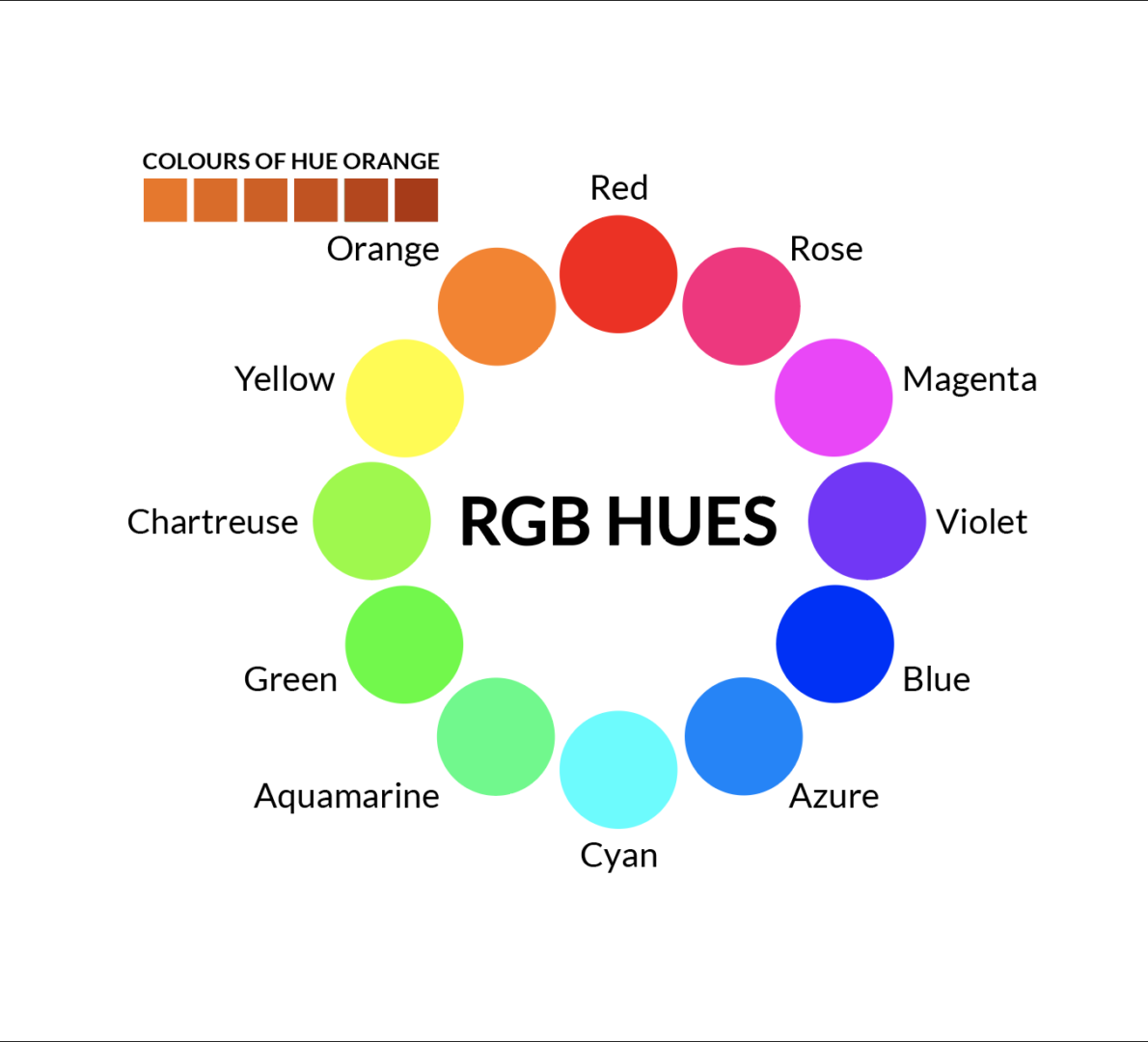
Additive color mixing is the foundation of digital lighting and electronic displays. In this technique, different colored lights are combined to create new colors. The primary colors in additive mixing are:
- Red
- Green
- Blue
When these colors are blended in various intensities, they produce a stunning array of hues. Think of your computer screen or LED stage lights—they use additive color mixing to create vibrant, luminous colors that seem to glow from within.
Subtractive Color Mixing: The Traditional Palette
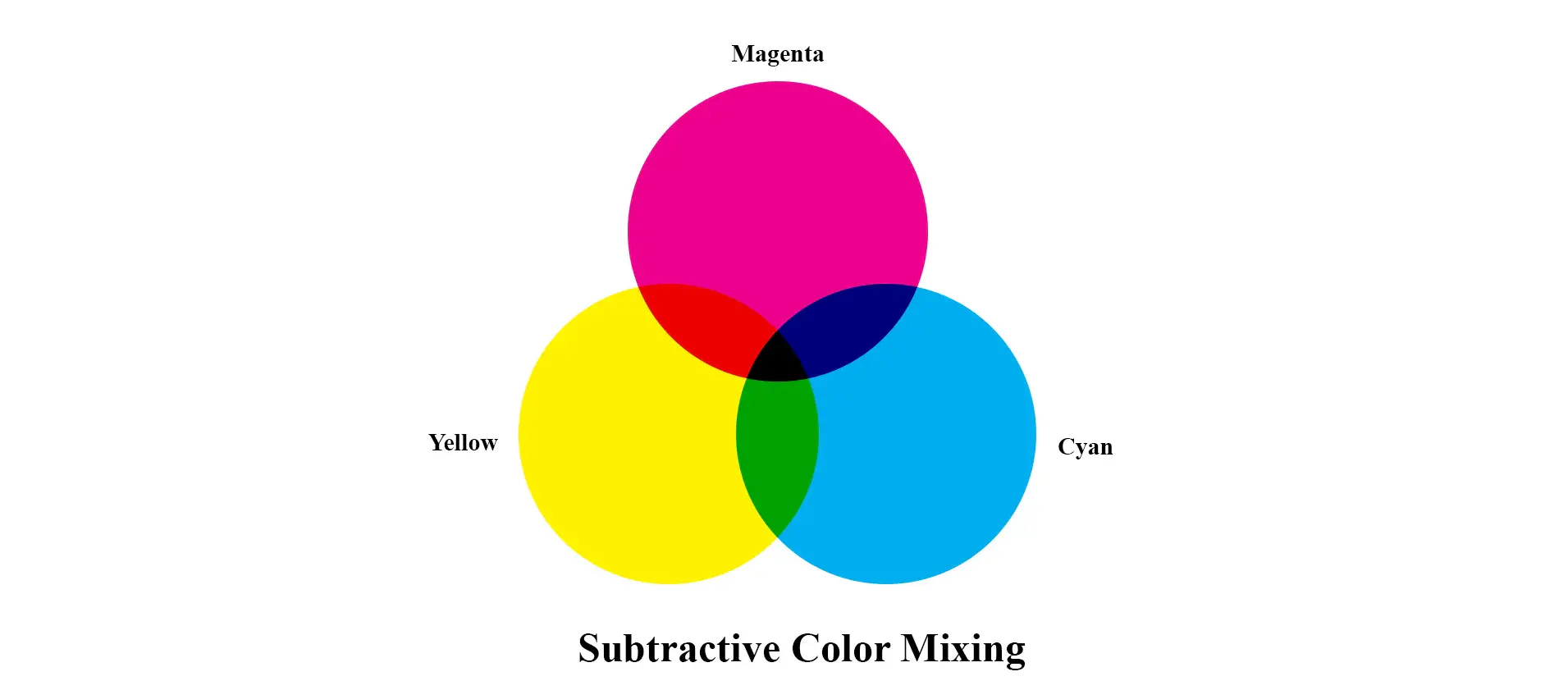
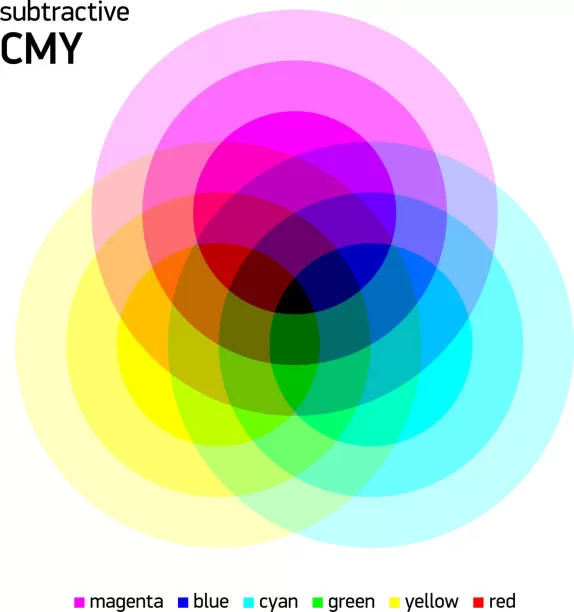
Contrary to additive mixing, subtractive color mixing works by absorbing certain wavelengths of light. The primary colors in this method are:
- Cyan
- Magenta
- Yellow
This technique is more familiar to traditional artists and print designers. By using color filters or gels, lighting designers can subtract specific wavelengths, creating rich, nuanced color effects.
Practical Applications Across Entertainment Platforms
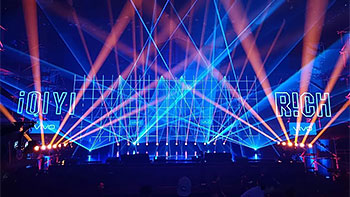
1. Concert Lighting: Creating Emotional Landscapes
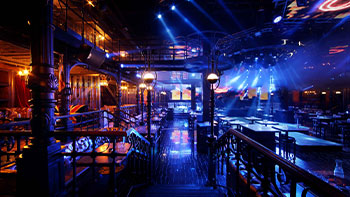
In live music performances, color mixing isn’t just technical—it’s emotional. A rock concert might use aggressive red and blue additive mixing to amplify energy, while a jazz performance could employ soft, subtractive techniques for a more intimate atmosphere.
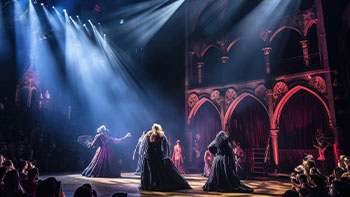
2. Theater Productions: Storytelling Through Light
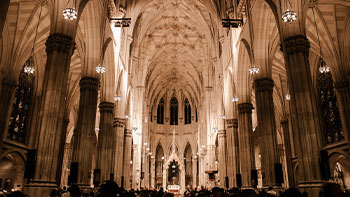
Theatrical lighting designers are true color alchemists. They use both additive and subtractive techniques to:
- Set mood
- Define time of day
- Highlight character emotions
- Create spatial depth
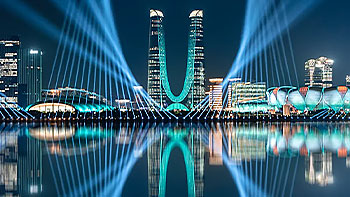
3. Theme Park Experiences: Immersive Environments
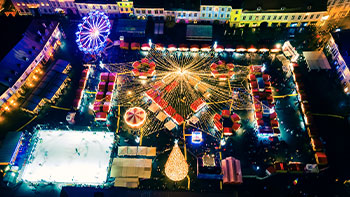
Outdoor theme parks leverage advanced color mixing to transport visitors into different worlds. By combining additive and subtractive techniques, designers create:
- Magical nighttime displays
- Themed environment transitions
- Dramatic special effects
Comparative Analysis: Additive vs. Subtractive Color Mixing
| Aspect | Additive Color Mixing | Subtractive Color Mixing |
|---|---|---|
| Primary Colors | Red, Green, Blue | Cyan, Magenta, Yellow |
| Light Generation | Creates new colors by combining light | Absorbs/filters specific light wavelengths |
| Common Use | Digital displays, LED lighting | Color gels, traditional stage lighting |
| Color Brightness | Typically brighter, more luminous | Softer, more nuanced |
| Energy Efficiency | More energy-efficient | Slightly less efficient |
Frequently Asked Questions
Q: Which color mixing technique is better?
A: Neither is universally superior. The best technique depends on the specific performance, venue, and desired emotional impact.
Q: Can these techniques be combined?
A: Absolutely! Advanced lighting designers often blend both methods to create complex, layered visual experiences.
Q: How do digital technologies impact color mixing?
A: Modern LED and digital lighting systems have revolutionized color mixing, offering unprecedented precision and flexibility.
Industry Impact and Future Trends
The global stage lighting market is projected to reach $4.2 billion by 2025, with color mixing technologies driving significant innovation. Emerging trends include:
- AI-powered color selection
- Real-time adaptive lighting
- Sustainable, energy-efficient solutions
Conclusion: The Art of Illumination
Color mixing in stage lighting is a delicate dance between technology and creativity. By understanding and mastering additive and subtractive techniques, lighting designers can transform ordinary spaces into extraordinary experiences.
Tags:
- Stage Lighting
- Color Mixing
- Entertainment Design
- Lighting Techniques
- Performance Technology
- 7 Expert Strategies to Design Captivating Outdoor Lighting for Theme Parks & Architectural Landscapes
- Why IP65 Waterproof Pixel Strobe Lights Are a Game-Changer for Large Concerts: 7 Crucial Benefits Unveiled
- Why Are Outdoor Stage Lamps Getting Smaller and Lighter? The Game-Changing Trend in Stage Lighting
- What Is a Good CMY for Stage Lighting? A Complete Guide
- Why Do We Need High-Power Moving Head Beam Lights with CMY for Performances & Large-Scale Outdoor Theme Events?
1000w
What Is the Warranty Offered by LQE Lighting?
LQE lighting offers a comprehensive 1-year warranty and spare parts on its products, giving customers peace of mind and investment protection.
Do You Supply After-Sale Service?
LQE lighting offers 7x24 hrs systematic SOP customer support with dedicated personnel, ensuring quick and comprehensive assistance for stage lighting needs.
Distributor
What are the advantages of becoming an LQE distributor?
Access to high-performance, patented lighting products
Competitive factory pricing and excellent profit margin potential
Strong R&D capabilities with 80+ national patents
Reliable production capacity: 100,000 units annually
Dedicated account manager to support your growth
What support does LQE offer to its distributors?
We provide our distributors with a full package of support, including:
Marketing materials and product catalogs
Technical training and manuals
Fast-response after-sales service
Exclusive regional pricing and policies (for qualified partners)
Priority access to new products and updates
How can I apply to become a distributor?
Simply fill out the contact form on this page or email us directly with your company information, market background, and cooperation intention. Our sales team will get in touch with you within 1–2 business days.
Want to learn more information?
[Reach out to us and receive professional guidance, a personalized quote, and the best solution for your needs.]
LQE is a professional LED stage lighting manufacturer, focusing on OEM/ODM and high-end customization.
◼ Contact LQE
Email: kyle@lqelighting.com
WhatsApp: +86 180 2413 9579
Address: No. 8 Road Liguan, Guanyao, Nanhai District, Foshan, China.
Linkedin
YouTube
Whatsapp: +8618924548390
TikTok