






Par can lights vs LED pars: which should you buy?
- Par Can Lights vs LED Pars: Which Should You Buy?
- 1. What Are Par Can Lights?
- 2. What Are LED Pars?
- 3. What Are the Key Differences Between Par Can Lights and LED Pars?
- 4. What Are the Advantages of LED Pars Over Par Can Lights?
- 5. Are There Any Drawbacks to Using LED Pars?
- 6. How Do LED Pars Compare in Terms of Market Growth?
- 7. What Are the Leading Brands in LED Stage Lighting?
- 8. How Do I Choose Between Par Can Lights and LED Pars?
When it comes to stage lighting, choosing the right fixtures is crucial for creating the desired ambiance and visual effects. Two popular options are traditional par can lights and LED pars. This guide delves into their differences, benefits, and considerations to help you make an informed decision.
Par Can Lights vs LED Pars: Which Should You Buy?
1. What Are Par Can Lights?
Par can lights are traditional stage lighting fixtures that use incandescent or halogen bulbs. They are known for their simplicity, affordability, and ease of use. However, they consume more energy and have a shorter lifespan compared to modern alternatives.
2. What Are LED Pars?
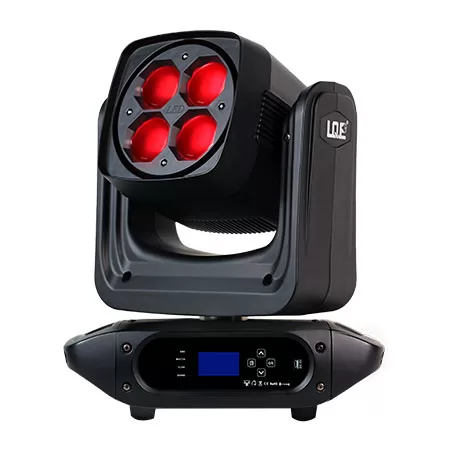
LED pars are advanced stage lighting fixtures that utilize Light Emitting Diodes (LEDs) as their light source. They offer enhanced energy efficiency, longer operational lifespans, and the ability to produce a wide range of colors without the need for gels or filters.
3. What Are the Key Differences Between Par Can Lights and LED Pars?
Energy Efficiency: LED pars consume significantly less power than par can lights, leading to reduced electricity costs.
Lifespan: LED pars have a longer operational life, often exceeding 50,000 hours, compared to the shorter lifespan of traditional bulbs.
Color Range: LED pars can produce a broader spectrum of colors and effects, offering greater flexibility in lighting design.
Heat Output: LED pars generate less heat, reducing the need for additional cooling and enhancing safety.
4. What Are the Advantages of LED Pars Over Par Can Lights?
Cost Savings: The energy efficiency and longevity of LED pars result in lower operational and maintenance costs over time.
Environmental Impact: LED pars are more eco-friendly due to their reduced energy consumption and longer lifespan, contributing to sustainability efforts.
Design Flexibility: The versatility of LED pars allows for more creative and dynamic lighting designs, enhancing the overall visual experience.
5. Are There Any Drawbacks to Using LED Pars?
While LED pars offer numerous benefits, they may have a higher initial purchase cost compared to traditional par can lights. Additionally, the quality of LED pars can vary between manufacturers, so it's essential to choose reputable brands to ensure reliability and performance.
6. How Do LED Pars Compare in Terms of Market Growth?
The LED stage lighting market has experienced significant growth, with projections indicating a compound annual growth rate (CAGR) of 8.5% from 2026 to 2033, reaching an estimated $6.67 billion by 2033. This growth is driven by technological advancements, increasing demand for energy-efficient solutions, and the expanding entertainment industry.
7. What Are the Leading Brands in LED Stage Lighting?
Several reputable brands are known for their high-quality LED stage lighting products, including:
Philips Lighting: A global leader in lighting solutions, offering a wide range of LED stage lighting fixtures.
Osram: Known for innovative lighting technologies, providing durable and efficient LED stage lights.
Chauvet: Specializes in professional lighting equipment, offering versatile LED pars suitable for various applications.
Elation Professional: Offers a diverse selection of LED stage lighting fixtures designed for high-performance environments.
8. How Do I Choose Between Par Can Lights and LED Pars?
When deciding between par can lights and LED pars, consider the following factors:
Budget: Evaluate your initial investment capacity and weigh it against long-term savings from energy efficiency and reduced maintenance.
Lighting Requirements: Assess the specific lighting effects and color ranges needed for your events or performances.
Venue Size and Type: Consider the size of the venue and the type of events to determine the appropriate lighting fixtures.
Brand Reputation: Research and select reputable brands known for quality and reliability in LED stage lighting.
In conclusion, while traditional par can lights have been a staple in stage lighting, LED pars offer superior advantages in terms of energy efficiency, lifespan, color versatility, and overall performance. Investing in LED stage lighting aligns with modern technological trends and sustainability goals, providing long-term benefits for your lighting needs.
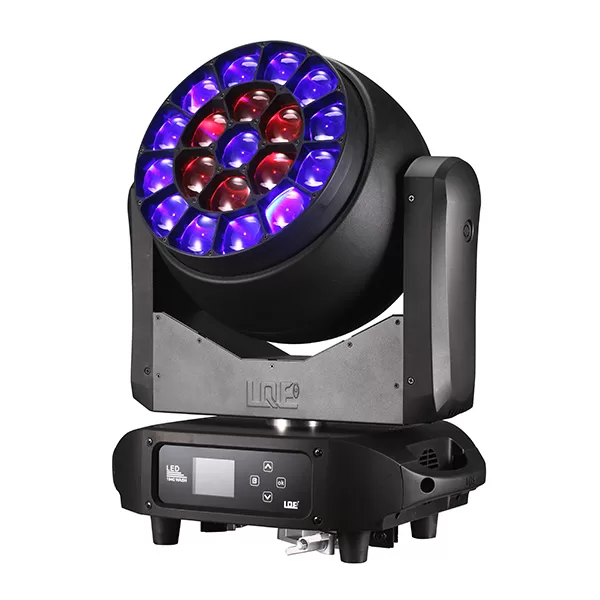
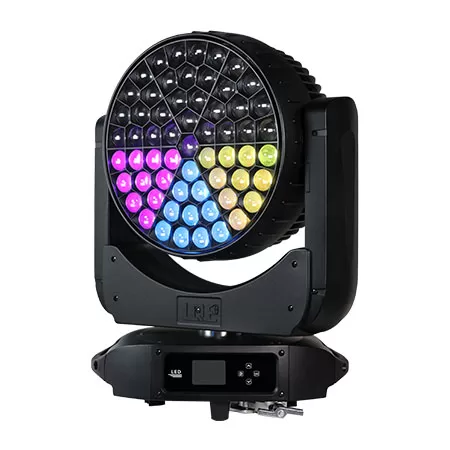
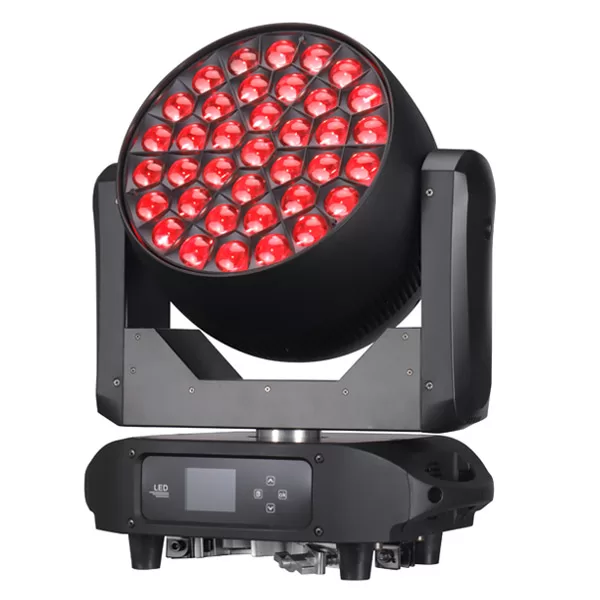
LQE is a leading brand in the LED stage lighting industry, offering innovative and high-quality LED pars that cater to diverse lighting requirements. Their products are known for durability, energy efficiency, and exceptional performance, making them a preferred choice for professionals seeking reliable stage lighting solutions.
SEO Information:
Meta Title: Par Can Lights vs LED Pars: A Comprehensive Guide for Stage Lighting Purchases
Meta Description: Explore the differences between traditional par can lights and LED pars, and discover key considerations for selecting the right stage lighting solutions.
Keywords: Par Can Lights, LED Pars, Stage Lighting, LED Stage Lighting, Lighting Fixtures, Energy Efficiency, LED Stage Lighting Market, LED Stage Lighting Brands, LQE
References:
1000w
Does LQE Offer a Stage Light Design Solution?
LQE experienced team glad to supply a stage lighting configuration design solution or suggestion for projector who don’t have much experience in lighting design, project, theatre and studio.
What Is the Warranty Offered by LQE Lighting?
LQE lighting offers a comprehensive 1-year warranty and spare parts on its products, giving customers peace of mind and investment protection.
Distributor
Can LQE help with product training and technical guidance?
Absolutely. We offer remote training sessions, user manuals, installation guides, and continuous technical support to help your team understand and sell our products with confidence.
What is your typical lead time for distributor orders?
Our standard production lead time is 15–30 working days depending on order volume and customization requirements. For stocked models or repeat orders, we can offer shorter delivery times.
What support does LQE offer to its distributors?
We provide our distributors with a full package of support, including:
Marketing materials and product catalogs
Technical training and manuals
Fast-response after-sales service
Exclusive regional pricing and policies (for qualified partners)
Priority access to new products and updates
Want to learn more information?
[Reach out to us and receive professional guidance, a personalized quote, and the best solution for your needs.]
LQE is a professional LED stage lighting manufacturer, focusing on OEM/ODM and high-end customization.
◼ Contact LQE
Email: kyle@lqelighting.com
WhatsApp: +86 180 2413 9579
Address: No. 8 Road Liguan, Guanyao, Nanhai District, Foshan, China.
Linkedin
YouTube
Whatsapp: +8618924548390
TikTok