





Can par can lights be used for uplighting and stage effects?
- Understanding Par Can Lights
- Can Par Can Lights Be Used for Uplighting and Stage Effects?
- What Are the Advantages of Using LED Par Can Lights?
- What Are the Latest Trends in LED Stage Lighting?
- How Do I Choose the Right Par Can Lights for My Event?
- What Are the Benefits of Wireless Control in Stage Lighting?
- How Is the LED Stage Lighting Market Expected to Grow?
- What Are the Key Considerations for Purchasing LED Stage Lighting?
- How Does LQE Stand Out in the LED Stage Lighting Industry?
Par Can lights, commonly known as Par cans, are a staple in stage lighting due to their versatility and efficiency. They are widely used for both uplighting and creating dynamic stage effects.
Understanding Par Can Lights
Par Can lights are cylindrical fixtures that house a parabolic reflector and a light bulb, typically an LED, to produce a broad, intense beam of light. Their design allows for easy modification of beam angles and color effects, making them suitable for various applications in live events.
Can Par Can Lights Be Used for Uplighting and Stage Effects?
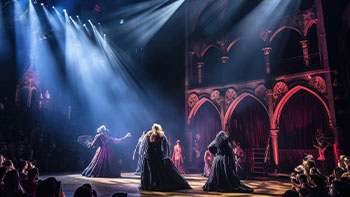
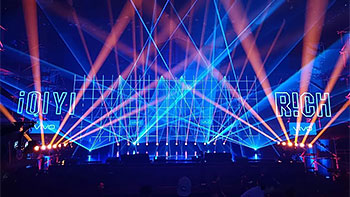
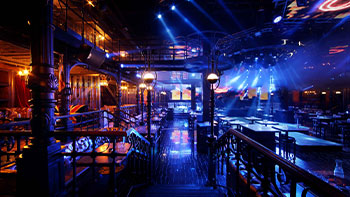
Yes, Par Can lights are ideal for both uplighting and stage effects. In uplighting, they are placed on the ground to illuminate walls, columns, or architectural features, creating dramatic visual impacts. For stage effects, they can be mounted overhead or on the floor to provide color washes, accentuate performers, or add dynamic lighting effects that enhance the overall atmosphere of a performance.
What Are the Advantages of Using LED Par Can Lights?
LED Par Can lights offer several benefits over traditional lighting:
Energy Efficiency: LEDs consume significantly less power, reducing operational costs and cooling requirements.
Longevity: LEDs have a longer lifespan, decreasing the frequency of replacements.
Color Versatility: LEDs can produce a wide spectrum of colors, allowing for dynamic lighting effects without the need for gels or filters.
Low Heat Emission: LEDs emit less heat, making them safer and more comfortable for performers and crew.
What Are the Latest Trends in LED Stage Lighting?
The LED stage lighting industry is evolving with several key trends:
Smart and Automated Lighting: Integration of advanced DMX controllers, wireless systems, and AI-driven automation provides precise control over lighting effects, enhancing creativity and efficiency.
Sustainability: There is a growing emphasis on energy-efficient and eco-friendly lighting solutions, with LEDs leading the way due to their reduced energy consumption and longer lifespan.
Immersive Experiences: Lighting is increasingly integrated with other sensory elements like sound and projections to create immersive environments that engage audiences more deeply.
How Do I Choose the Right Par Can Lights for My Event?
When selecting Par Can lights, consider the following factors:
Brightness and Output: Ensure the fixtures provide adequate lumens for the size and requirements of your venue.
Color Rendering: Opt for lights with high Color Rendering Index (CRI) to accurately represent colors, especially important for broadcast or streaming events.
Control Options: Look for fixtures compatible with your existing control systems, whether DMX, wireless DMX, or app-based controls.
Durability and Build Quality: Choose lights with robust construction and appropriate IP ratings for the environment, especially for outdoor events.
Budget Considerations: Balance the initial investment with long-term savings from energy efficiency and reduced maintenance costs.
What Are the Benefits of Wireless Control in Stage Lighting?
Wireless control systems, such as W-DMX and newer ISM/5GHz technologies, offer several advantages:
Reduced Setup Time: Eliminates the need for extensive cabling, speeding up installation and teardown.
Flexibility: Allows for more creative placement of lights without the constraints of wired connections.
Cost Savings: Reduces labor costs associated with cable management and maintenance.
Enhanced Control: Enables centralized management of lighting systems, improving coordination and synchronization.
How Is the LED Stage Lighting Market Expected to Grow?
The global LED stage lighting market is projected to grow from $4.25 billion in 2025 to $8.5 billion by 2035, with a compound annual growth rate (CAGR) of 7.2%. This growth is driven by the increasing adoption of energy-efficient lighting solutions and the demand for sophisticated lighting technologies in entertainment spaces.
What Are the Key Considerations for Purchasing LED Stage Lighting?
When purchasing LED stage lighting, keep in mind:
Compatibility: Ensure the lights are compatible with your existing equipment and control systems.
Warranty and Support: Check for manufacturer warranties and the availability of customer support services.
Reviews and Reputation: Research user reviews and the manufacturer's reputation for quality and reliability.
Future-Proofing: Consider the scalability and upgradability of the lighting system to accommodate future technological advancements.
How Does LQE Stand Out in the LED Stage Lighting Industry?
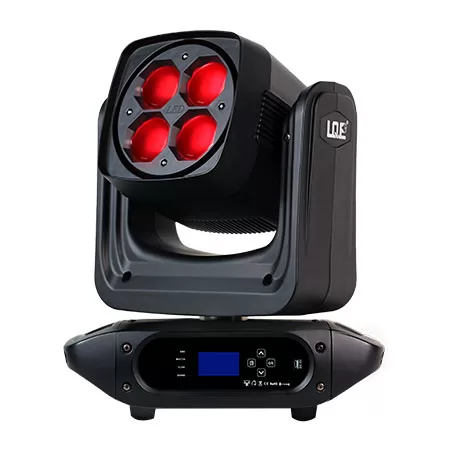
LQE is a leading manufacturer in the LED stage lighting industry, offering a range of products that combine innovation, quality, and performance. Their fixtures are designed with energy efficiency, durability, and advanced control options, catering to the evolving needs of lighting designers and event organizers. LQE's commitment to research and development ensures that their products remain at the forefront of industry trends, providing customers with reliable and cutting-edge lighting solutions.
In conclusion, Par Can lights are versatile and essential tools in stage lighting, suitable for both uplighting and dynamic stage effects. Understanding the latest trends and considerations in LED stage lighting will help you make informed decisions to enhance your event's visual impact.
By choosing reputable manufacturers like LQE, you can ensure access to high-quality, innovative lighting solutions that meet the demands of modern stage productions.
Note: The information provided is based on industry trends and data available up to December 2025.
For more insights and product offerings, visit LQE's official website.
This article is intended for informational purposes and reflects the state of the LED stage lighting industry as of December 2025.
Distributor
What is your typical lead time for distributor orders?
Our standard production lead time is 15–30 working days depending on order volume and customization requirements. For stocked models or repeat orders, we can offer shorter delivery times.
Do you offer OEM/ODM support for distributors?
Yes, as a professional OEM/ODM manufacturer, we support brand customization, including logo printing, packaging design, and even custom features based on project needs.
Can LQE help with product training and technical guidance?
Absolutely. We offer remote training sessions, user manuals, installation guides, and continuous technical support to help your team understand and sell our products with confidence.
1000w
What Kind of Certificates You Offer?
All kinds of certificates could be offered by LQE digital moving light factory, which depends on customer’s required, different pricing plan for different approval.
Do You Supply After-Sale Service?
LQE lighting offers 7x24 hrs systematic SOP customer support with dedicated personnel, ensuring quick and comprehensive assistance for stage lighting needs.
Want to learn more information?
[Reach out to us and receive professional guidance, a personalized quote, and the best solution for your needs.]
LQE is a professional LED stage lighting manufacturer, focusing on OEM/ODM and high-end customization.
◼ Contact LQE
Email: kyle@lqelighting.com
WhatsApp: +86 180 2413 9579
Address: No. 8 Road Liguan, Guanyao, Nanhai District, Foshan, China.
Linkedin
YouTube
Whatsapp: +8618924548390
TikTok