





How to mount and rig par can lights correctly?
Comprehensive Guide to Mounting and Rigging PAR Can Lights for LED Stage Lighting
PAR can lights are integral to creating dynamic and vibrant lighting effects in stage productions. Proper mounting and rigging are crucial for safety, performance, and achieving the desired visual impact.
1. What Are PAR Can Lights and Their Applications?
PAR can lights, short for Parabolic Aluminized Reflector lights, are sealed units consisting of a bulb, reflector, and lens, all encased in a metal housing. They produce a soft, oval beam suitable for washing large areas or creating aerial beam effects. Common sizes include PAR16, PAR56, and PAR64, with wattages ranging from 50W to 1000W.
2. How Do I Select the Appropriate PAR Can Light for My Stage?
When choosing a PAR can light, consider the following factors:
Beam Angle: Determine the desired beam spread—options range from Very Narrow Spot (12°) to Wide Flood (42°–60°).
Wattage: Select a wattage that balances brightness with energy efficiency, ensuring it meets the stage's lighting requirements.
Color Temperature: Choose between warm whites (around 2700K) for a cozy ambiance or cool whites (up to 6500K) for clarity and focus.
3. What Are the Key Steps in Mounting and Rigging PAR Can Lights?
Venue Assessment: Evaluate the stage dimensions, ceiling height, and existing rigging points to plan the lighting setup effectively.
Equipment Inventory: Gather necessary items such as PAR can lights, mounting hardware (clamps, brackets), safety cables, and a lighting console.
Mounting: Securely attach the PAR can lights to truss systems or lighting stands using professional-grade clamps. Always use safety cables as a secondary attachment point.
Wiring: Connect the lights to the power supply and lighting console using high-quality DMX cables, ensuring proper cable management to prevent hazards.
4. How Do I Position PAR Can Lights for Optimal Effect?
Front Lighting: Place lights in front of performers to illuminate faces and costumes, minimizing harsh shadows.
Side Lighting: Position lights on the sides to add depth and dimension, highlighting performers' profiles.
Backlighting: Install lights behind performers to create silhouettes or specific effects, enhancing visual depth.
Uplighting: Place lights on the floor, aimed upwards, to wash walls or backdrops with color, adding atmosphere.
5. What Are the Safety Considerations When Rigging PAR Can Lights?
Weight Assessment: Calculate the total weight of the lighting rig to ensure it is within the safe working load limits of rigging points or stands.
Electrical Safety: Verify that the power supply matches the voltage requirements of the PAR can lights and that all connections are secure to prevent electrical hazards.
Cable Management: Organize cables to prevent tripping hazards and ensure electrical safety, using cable ties or trays as needed.
6. How Do I Maintain PAR Can Lights for Longevity?
Regular Cleaning: Dust and debris can accumulate on fixtures, affecting light output. Regular cleaning helps maintain brightness and clarity.
Component Inspection: Periodically check bulbs, lenses, and wiring for signs of wear or damage, replacing parts as necessary.
Dimming and Voltage Considerations: Ensure that dimming controls are compatible with the PAR can lights and that voltage levels are appropriate to prevent damage.
7. What Are the Latest Trends in LED PAR Can Lights?
Energy Efficiency: LED PAR can lights offer superior energy efficiency and longevity compared to traditional halogen models.
Color Rendering: Advancements in LED technology have improved color rendering capabilities, providing more accurate and vibrant color representation.
Smart Integration: Modern LED PAR can lights can be integrated into automated lighting systems, allowing for remote control and dynamic programming.
8. How Do I Troubleshoot Common Issues with PAR Can Lights?
Flickering or No Light Output: Check power connections, replace faulty bulbs, and ensure the lighting console is correctly configured.
Color Inconsistencies: Verify that color filters or gels are properly installed and not damaged.
Overheating: Ensure adequate ventilation around the PAR can lights and that they are not exposed to excessive heat sources.
Conclusion
Proper mounting and rigging of PAR can lights are essential for achieving optimal performance and safety in LED stage lighting setups. By following these guidelines, you can create dynamic and visually captivating lighting effects that enhance any stage production.
About LQE
LQE is a leading provider of professional lighting solutions, specializing in high-quality LED stage lighting equipment. With a commitment to innovation and customer satisfaction, LQE offers a range of products designed to meet the diverse needs of the entertainment industry. Their expertise ensures that clients receive reliable and cutting-edge lighting solutions for their events.
References:
After Dark Theatre. (n.d.). Lighting Quick Guide. Retrieved from
KIMU Lighting. (n.d.). LED Par Lights Setup: Stunning Stage Effects Guide. Retrieved from
PacLights. (n.d.). Par Lighting: Lighting Explained. Retrieved from
PAR LED Lights. (n.d.). PAR Can Installation Guide. Retrieved from
Yellow River Lighting. (n.d.). The Ultimate Guide to Installing Stage Par Lights. Retrieved from
SMNetwork.org. (n.d.). How to Hang, Focus, and Strike Basic Lighting Instruments. Retrieved from
Longman Lighting. (2024, June 26). Ultimate Guide to Indoor LED Par Can Lights: Benefits, Setup, and Tips. Retrieved from
GTR Direct. (n.d.). PAR Can Light Setup: How to Arrange to Light Up The Stage. Retrieved from
LQE. (n.d.). Tips for Rigging and Mounting Sharpy Moving Lights Safely. Retrieved from
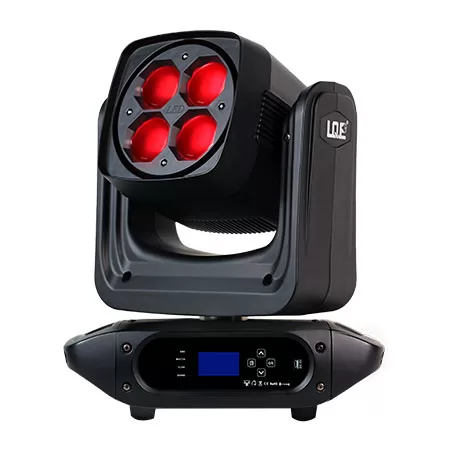
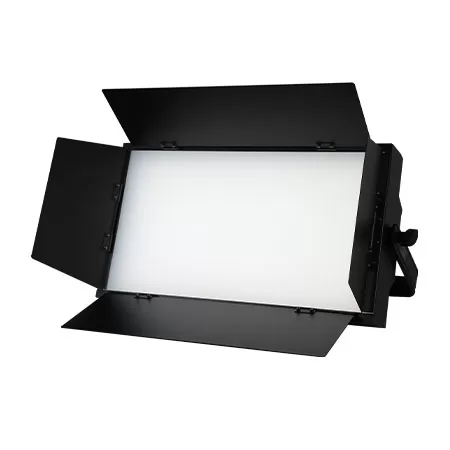
1000w
Can I Have a Sample Order for an LED DJ Light?
Sure, sample order are welcome to test and check LQE quality. Mixed samples are acceptable.
Does LQE Offer Customized Stage Moving Light Solution?
An experienced R&D team can provide customized digital stage lighting OEM/ODM solution service to meet clients’ unique demands from global markets, such as customized CRI parameter, Ingress protection rating, effect, etc.
What Kind of Certificates You Offer?
All kinds of certificates could be offered by LQE digital moving light factory, which depends on customer’s required, different pricing plan for different approval.
Distributor
What types of companies can become LQE distributors?
We welcome partnerships with companies that have experience in the entertainment, AV, lighting, or stage equipment industries. Whether you are a local reseller, importer, system integrator, or project contractor, we are open to exploring win-win cooperation.
What are the advantages of becoming an LQE distributor?
Access to high-performance, patented lighting products
Competitive factory pricing and excellent profit margin potential
Strong R&D capabilities with 80+ national patents
Reliable production capacity: 100,000 units annually
Dedicated account manager to support your growth
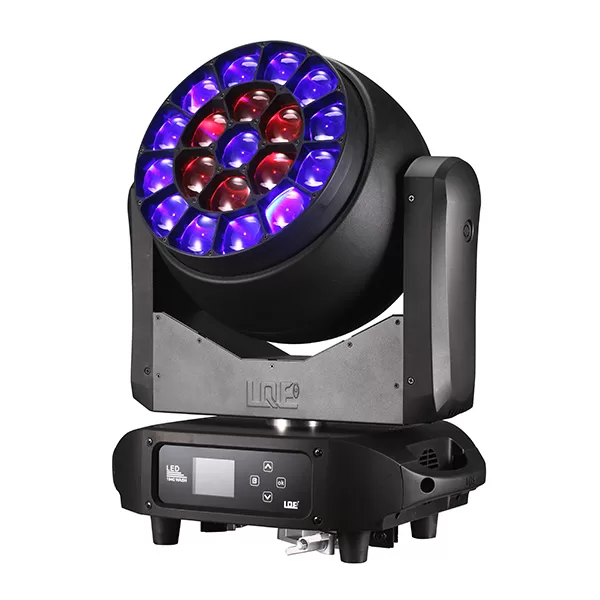
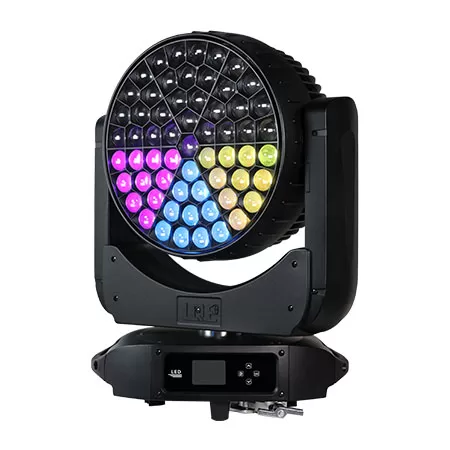
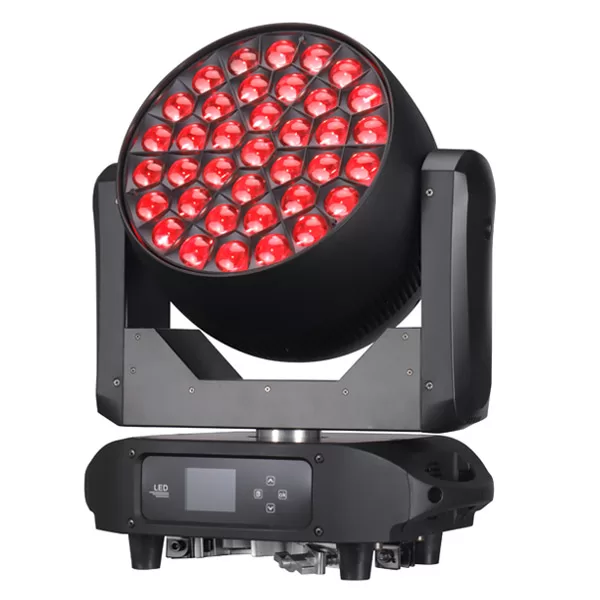
Want to learn more information?
[Reach out to us and receive professional guidance, a personalized quote, and the best solution for your needs.]
LQE is a professional LED stage lighting manufacturer, focusing on OEM/ODM and high-end customization.
◼ Contact LQE
Email: kyle@lqelighting.com
WhatsApp: +86 180 2413 9579
Address: No. 8 Road Liguan, Guanyao, Nanhai District, Foshan, China.
Linkedin
YouTube
Whatsapp: +8618924548390
TikTok