





What are LED stage light beam angles and why they matter?
- Essential Guide to LED Stage Lighting: Key Considerations for Your Purchase
- 1. What Are the Primary Types of LED Stage Lighting Fixtures?
- 2. How Does Energy Efficiency Impact LED Stage Lighting?
- 3. What Control Options Are Available for LED Stage Lighting?
- 4. What Maintenance Considerations Should Be Taken into Account?
- 5. How Do LED Stage Lights Contribute to Sustainability?
- 6. What Are the Latest Trends in LED Stage Lighting?
- 7. How Does LQE's LED Stage Lighting Stand Out in the Market?
Essential Guide to LED Stage Lighting: Key Considerations for Your Purchase
Selecting the right LED stage lighting is crucial for enhancing performances and creating captivating visual effects. This guide addresses common questions and provides expert insights to assist in making informed decisions.
1. What Are the Primary Types of LED Stage Lighting Fixtures?
LED stage lighting fixtures are primarily categorized into:
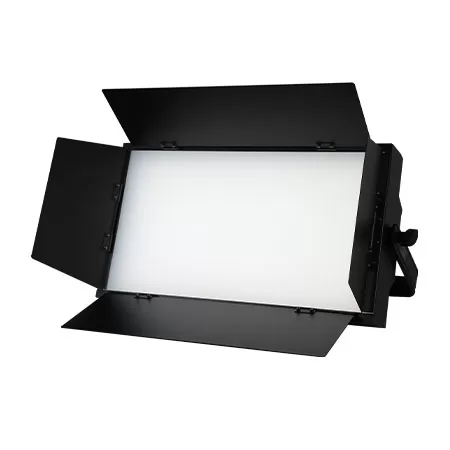
PAR Lights (Floodlights): Ideal for creating broad washes of light, suitable for general illumination.
Profile Spotlights: Offer precise control over beam shape and intensity, often used for highlighting specific areas or performers.
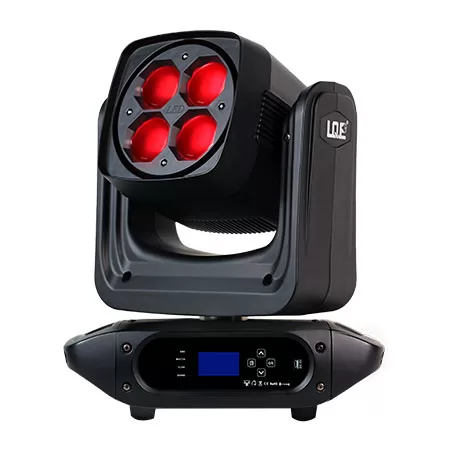
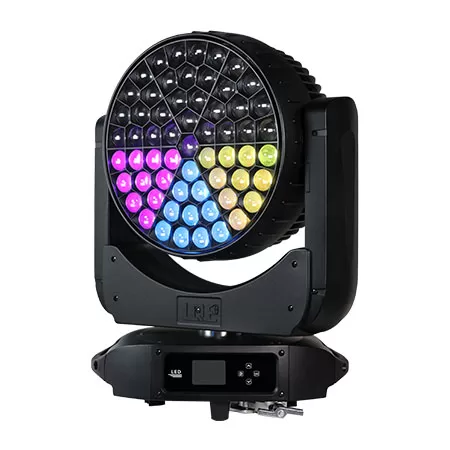
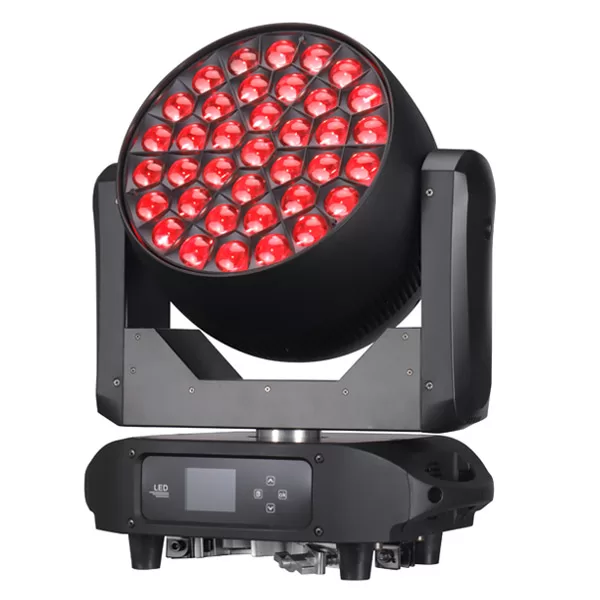
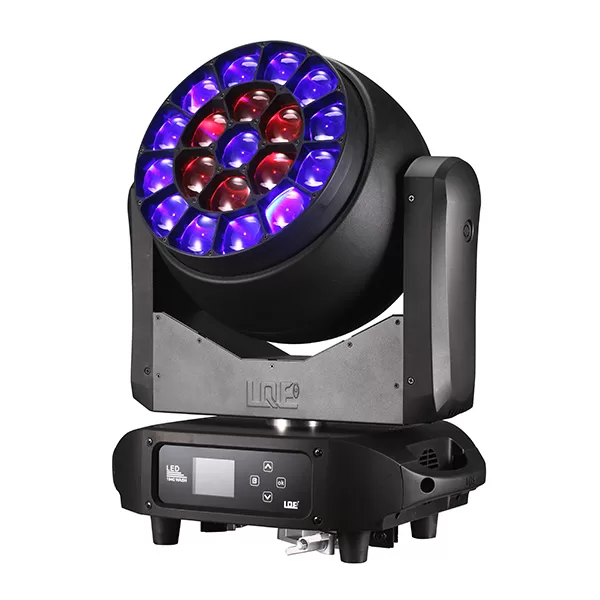
Moving Heads: Provide dynamic movement and versatility, capable of panning, tilting, and changing colors, enhancing the visual impact of performances.
2. How Does Energy Efficiency Impact LED Stage Lighting?
LED lights are renowned for their energy efficiency, consuming significantly less power than traditional lighting sources. This efficiency reduces operational costs and minimizes heat output, contributing to a safer and more comfortable environment. For instance, LED fixtures can consume up to 80% less energy compared to incandescent bulbs.
3. What Control Options Are Available for LED Stage Lighting?
LED stage lights can be controlled through various methods:
DMX512 Protocol: A standard for digital communication, allowing precise control over lighting parameters.
Wireless Control: Enables remote operation via Wi-Fi or Bluetooth, offering flexibility in setup and management.
Sound Activation: Lights can synchronize with music, creating dynamic effects that match the rhythm and tempo.
4. What Maintenance Considerations Should Be Taken into Account?
Proper maintenance ensures the longevity and optimal performance of LED stage lights:
Regular Cleaning: Keep lenses and fixtures free from dust and debris to maintain optimal performance.
Firmware Updates: Periodically check for and apply software updates to ensure the latest features and fixes.
Component Inspection: Routinely inspect for signs of wear or damage to address issues proactively.
Implementing a regular maintenance schedule helps in extending the lifespan of the lighting fixtures and ensures consistent performance during events.
5. How Do LED Stage Lights Contribute to Sustainability?
LED lights are environmentally friendly due to their low energy consumption and reduced heat emission. Many manufacturers are also adopting eco-friendly materials and processes, such as using recyclable aluminum and eliminating hazardous substances like mercury.
6. What Are the Latest Trends in LED Stage Lighting?
Recent advancements include:
Integration with Virtual and Augmented Reality: Enhancing immersive experiences by projecting holographic elements and creating 3D lighting effects.
Wireless and App-Controlled Lighting: Allowing remote operation via mobile apps and cloud-based software, providing greater flexibility and ease of use.
7. How Does LQE's LED Stage Lighting Stand Out in the Market?
LQE offers LED stage lighting solutions that excel in energy efficiency, durability, and advanced control options. Their products are designed to meet the evolving needs of the entertainment industry, ensuring high performance and sustainability.
In conclusion, selecting the appropriate LED stage lighting involves understanding fixture types, energy efficiency, control methods, maintenance needs, and sustainability. LQE's offerings align with these considerations, providing reliable and innovative lighting solutions for diverse applications.
Distributor
What are the advantages of becoming an LQE distributor?
Access to high-performance, patented lighting products
Competitive factory pricing and excellent profit margin potential
Strong R&D capabilities with 80+ national patents
Reliable production capacity: 100,000 units annually
Dedicated account manager to support your growth
What is your typical lead time for distributor orders?
Our standard production lead time is 15–30 working days depending on order volume and customization requirements. For stocked models or repeat orders, we can offer shorter delivery times.
Do you offer OEM/ODM support for distributors?
Yes, as a professional OEM/ODM manufacturer, we support brand customization, including logo printing, packaging design, and even custom features based on project needs.
1000w
What Kind of Certificates You Offer?
All kinds of certificates could be offered by LQE digital moving light factory, which depends on customer’s required, different pricing plan for different approval.
Do You Supply After-Sale Service?
LQE lighting offers 7x24 hrs systematic SOP customer support with dedicated personnel, ensuring quick and comprehensive assistance for stage lighting needs.
Want to learn more information?
[Reach out to us and receive professional guidance, a personalized quote, and the best solution for your needs.]
LQE is a professional LED stage lighting manufacturer, focusing on OEM/ODM and high-end customization.
◼ Contact LQE
Email: kyle@lqelighting.com
WhatsApp: +86 180 2413 9579
Address: No. 8 Road Liguan, Guanyao, Nanhai District, Foshan, China.
Linkedin
YouTube
Whatsapp: +8618924548390
TikTok