
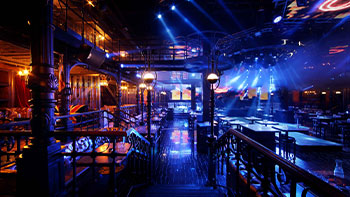






How many par can lights do you need for a small stage?
- Understanding LED Par Can Lights
- 1. How Many LED Par Can Lights Are Needed for a Small Stage?
- 2. What Beam Angle Should Be Chosen?
- 3. How Do LED Par Can Lights Compare to Traditional Halogen Lights?
- 4. What Are the Power Requirements for LED Par Can Lights?
- 5. How Should LED Par Can Lights Be Positioned on a Small Stage?
- 6. What Are the Advantages of Using LED Par Can Lights?
- 7. How Do LED Par Can Lights Enhance Stage Performances?
- 8. What Are the Maintenance Requirements for LED Par Can Lights?
- Conclusion: Why Choose LQE for Your Stage Lighting Needs?
When planning lighting for a small stage, selecting the appropriate LED Par Can lights is crucial for achieving optimal illumination and ambiance. Below are key considerations to guide your decision-making process.
Understanding LED Par Can Lights
LED Par Can lights are versatile fixtures commonly used in stage lighting to provide wash effects and accentuate specific areas. They are energy-efficient, offer a longer lifespan, and provide advanced color-mixing capabilities compared to traditional halogen-based lights.
1. How Many LED Par Can Lights Are Needed for a Small Stage?
The number of LED Par Can lights required depends on the stage size and desired lighting effects. For a small stage (approximately 15×20 ft or 4.5×6 m), using 4–6 fixtures with 60W–100W LED Par Can lights (2,000–3,500 lumens each) is recommended. This setup provides ample light for general stage washing and color changes.
2. What Beam Angle Should Be Chosen?
Beam angles determine the spread of light. For small stages, a medium beam angle of 25°–40° is ideal, balancing coverage and intensity. Narrower beam angles (15°–25°) focus light on performers or decor elements, while wider angles (45°–60°) illuminate larger areas.
3. How Do LED Par Can Lights Compare to Traditional Halogen Lights?
LED Par Can lights are more energy-efficient, have a longer lifespan, and offer better color mixing capabilities than traditional halogen lights. For instance, a modern 50W LED Par Can can replace a 300W or 500W halogen Par Can, providing similar or greater light output while consuming less power.
4. What Are the Power Requirements for LED Par Can Lights?
LED Par Can lights consume less power than traditional halogen lights. For example, a 50W LED Par Can can replace a 300W or 500W halogen Par Can, providing similar or greater light output while consuming less power.
5. How Should LED Par Can Lights Be Positioned on a Small Stage?
Proper placement ensures even illumination and desired effects. For a small stage, position two to three fixtures on the front truss or uprights for front wash, and two to three on the floor or rear truss for backlighting and uplighting. This setup provides balanced coverage and depth.
6. What Are the Advantages of Using LED Par Can Lights?
LED Par Can lights offer several benefits:
Energy Efficiency: They consume less power, reducing electricity costs.
Longer Lifespan: LEDs last longer, decreasing maintenance and replacement expenses.
Color Mixing Capabilities: They provide advanced color mixing, allowing for a wide range of colors and effects.
Low Heat Emission: LEDs emit less heat, making them safer and more comfortable for performers.
7. How Do LED Par Can Lights Enhance Stage Performances?
LED Par Can lights enhance stage performances by providing dynamic lighting effects, highlighting performers, and creating mood and atmosphere. They can be programmed to change colors, intensity, and patterns, adding visual interest and supporting the performance's narrative.
8. What Are the Maintenance Requirements for LED Par Can Lights?
LED Par Can lights require minimal maintenance. Regular cleaning of lenses and ensuring proper ventilation to prevent overheating are essential. Unlike halogen lights, LEDs do not require frequent bulb replacements, reducing maintenance efforts and costs.
Conclusion: Why Choose LQE for Your Stage Lighting Needs?
LQE offers a range of high-quality LED Par Can lights designed for various stage sizes and applications. Their products are known for energy efficiency, durability, and advanced features, making them a reliable choice for enhancing your stage lighting setup.
By considering these factors, you can select the appropriate LED Par Can lights to achieve optimal lighting effects for your small stage.
Distributor
What are the advantages of becoming an LQE distributor?
Access to high-performance, patented lighting products
Competitive factory pricing and excellent profit margin potential
Strong R&D capabilities with 80+ national patents
Reliable production capacity: 100,000 units annually
Dedicated account manager to support your growth
Is there a minimum order quantity (MOQ) to become a distributor?
MOQ requirements vary based on the product line and market region. However, for long-term distribution partnerships, we are flexible and can start with a trial order to build trust.
1000w
Does LQE Offer a Stage Light Design Solution?
LQE experienced team glad to supply a stage lighting configuration design solution or suggestion for projector who don’t have much experience in lighting design, project, theatre and studio.
Can I Have a Sample Order for an LED DJ Light?
Sure, sample order are welcome to test and check LQE quality. Mixed samples are acceptable.
What Is the Warranty Offered by LQE Lighting?
LQE lighting offers a comprehensive 1-year warranty and spare parts on its products, giving customers peace of mind and investment protection.
Want to learn more information?
[Reach out to us and receive professional guidance, a personalized quote, and the best solution for your needs.]
LQE is a professional LED stage lighting manufacturer, focusing on OEM/ODM and high-end customization.
◼ Contact LQE
Email: kyle@lqelighting.com
WhatsApp: +86 180 2413 9579
Address: No. 8 Road Liguan, Guanyao, Nanhai District, Foshan, China.
Linkedin
YouTube
Whatsapp: +8618924548390
TikTok