





Fundamental Principles of Stage Lighting Design: From Three‑Point Lighting to Color Atmosphere
Stage lighting is a vital component of theatrical, concert, and live event productions. A well-designed lighting setup does more than just illuminate actors—it shapes depth, emphasizes emotion, and supports the story. In this article, we will explore foundational lighting principles, focusing on three-point lighting, the art of using color temperature to build mood, and specific design strategies for different fixtures like PAR, beam, and wash lights. By mastering these elements, lighting designers can create rich, impactful, and visually coherent stage environments.
- Three‑Point Lighting: The Core Setup
- What Is Three‑Point Lighting?
- Why Three‑Point Lighting Matters
- Creating Atmosphere Using Color Temperature & Color
- Understanding Color Temperature
- Building Mood with Temperature
- Color Correction & Creative Gels
- Design Considerations for Different Fixture Types
- PAR Lights
- Beam Lights
- Wash Lights / Fresnel Lanterns
- Advanced Design Considerations
- Balancing Intensity & Contrast
- Cue Programming & Color Transitions
- Rigging & Safety
- Testing & Iteration
- Real‑World Examples
- Conclusion
Three‑Point Lighting: The Core Setup
What Is Three‑Point Lighting?
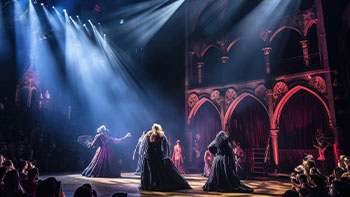
Three‑point lighting is a classical, time‑tested lighting method that uses three independent light sources—a key light, a fill light, and a back light—to give a subject dimensionality, form, and separation within a scene. Originally rooted in photography and cinematography, this technique is easily adapted for stage lighting, enabling designers to sculpt characters and elements in a way that supports both narrative and visual clarity.
-
-
Key Light (Main Light): This is the most powerful and directional light. It defines the shape, volume, and contours of the subject. By choosing its angle, height, and intensity, a designer can emphasize facial features, body structure, or specific areas of interest.
-
Fill Light: This is a softer, less intense light that is placed opposite the key. Its purpose is not to eliminate shadows but to moderate them—reducing harshness and controlling contrast. The fill light ensures that shadowed areas still receive illumination but remain subtly shaped.
-
Back Light (Rim/Hair Light): Positioned behind (often slightly above) the subject, the back light creates an edge or rim of light. This highlights the subject’s outline—shoulders, hair, or back—and visually separates them from the background, giving an enhanced sense of depth.
-
Why Three‑Point Lighting Matters
-
Spatial Depth: By using three lights with purposeful placement, designers can simulate or emphasize three-dimensionality on stage. This prevents characters or set pieces from appearing flat, and instead gives them sculpted form.
-
Contrast Control: Through the relationship (or “ratio”) between the key and fill lights, it's possible to control how dramatic or subtle the lighting contrast is.
-
Versatility: This setup is flexible; it can support a range of moods—from soft and natural to bold and dramatic—simply by adjusting intensities, angles, and color.
- Implementing Three‑Point Lighting on Stage
Three‑point lighting is the foundation of effective stage illumination. By strategically combining a key light, fill light, and back light, designers can shape subjects, control shadows, and create a sense of depth and separation on stage. The following table summarizes the essential positioning, intensity, and purpose for each light in a clear, practical format.
| Light | Positioning | Intensity | Notes / Purpose |
|---|---|---|---|
| Key Light (Main) | 30°–60° to one side of subject, slightly above eye level | Brightest of the three | Defines the main shape and exposure; use a directional fixture (e.g. ellipsoidal or profile) |
| Fill Light | Opposite side of the key light, often at a lower angle | Softer/lower than key (e.g. ~2:1 key-to-fill ratio) | Softens harsh shadows without flattening the scene; use diffused light or reflector |
| Back Light (Rim/Hair) | Behind subject, elevated to create rim highlight | Moderate | Separates the subject from the background; can act as a “hair light” or “kicker” |
Creating Atmosphere Using Color Temperature & Color
Understanding Color Temperature
Color temperature defines how warm or cool a light source appears, measured in Kelvin (K).
-
Lower Kelvin (≈2700–3200 K): Produces a warm, amber-toned light, reminiscent of candlelight or traditional tungsten sources. This warmth tends to evoke intimacy, nostalgia, and emotional depth.
-
Higher Kelvin (≈5000 K and above): Produces a cooler, bluish light similar to daylight. Cool lighting conveys clarity, modernity, or sometimes a stark, moody atmosphere.
By carefully selecting the color temperature of each light, designers can guide audience perception, highlight important elements, and subtly influence emotional response.
Building Mood with Temperature
-
Warm Light: Ideal for cozy, intimate, or emotionally charged scenes. It creates a sense of comfort and draws viewers into the scene.
-
Cool Light: Effective for contemporary, clinical, or suspenseful moods. It can simulate daylight, moonlight, or add a sense of detachment and tension.
-
Mixing Temperatures: Combining warm and cool lights enhances spatial separation and visual interest. For instance, a warm key light on a performer contrasted with a cool back light can make the figure stand out from the stage background while enriching the emotional tone. Layering multiple temperatures also allows for subtle gradient effects that enhance depth perception.
Color Correction & Creative Gels
-
Gels / Filters: Traditional lights often require gels or filters to adjust their color temperature, achieving a precise look or correcting mismatched sources.
-
Tunable Fixtures: Modern LED fixtures allow designers to dynamically blend color temperatures without physical gels, enabling smooth transitions and real-time adjustments during performances.
-
Creative Use of Color: Beyond temperature, using pure or mixed colors—like blue for moonlight, amber for firelight, or red for passion—can highlight key narrative moments, reinforce thematic elements, and produce stylistic effects that strengthen the audience’s visual and emotional experience.
When combined thoughtfully with intensity, angle, and fixture type, color temperature and creative lighting become powerful tools to shape atmosphere, focus attention, and support storytelling on stage.

Design Considerations for Different Fixture Types
PAR Lights
-
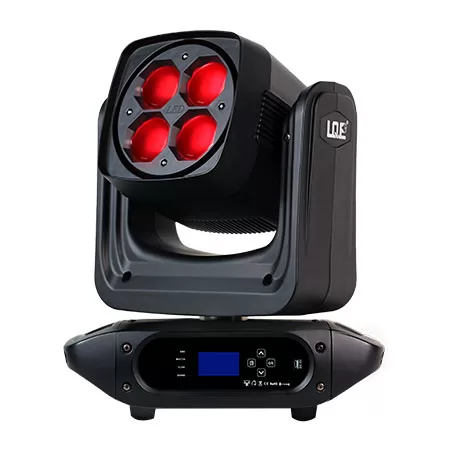
Characteristics: PAR (Parabolic Aluminized Reflector) lights are durable, versatile, and available in a range of beam angles, from narrow to wide. Their simplicity and reliability make them a staple in theatrical and concert lighting.
-
Design Role: Ideal for washes and color coverage, PAR lights can be adapted as key, fill, or back lights depending on positioning and beam selection. They are particularly effective for adding colored light or evenly illuminating large stage areas.
-
Placement Tips & Product Reference: For soft washes, use wider beam PARs; for accent or side lighting, narrow beams work best. Explore our PAR lights for high-quality options suitable for stage design.
Beam Lights
-
Characteristics: Beam lights emit a tight, highly focused beam that is extremely bright and visually striking.
-
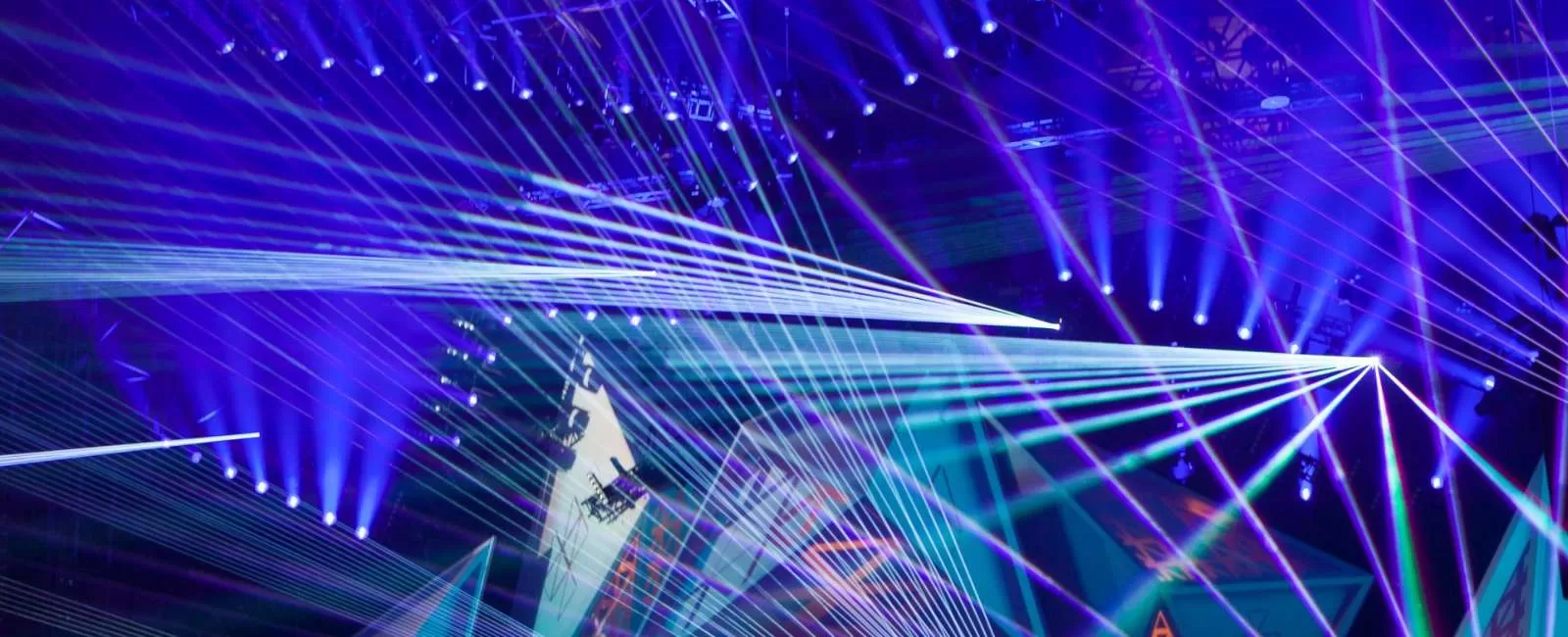
When to Use: Perfect for dramatic effects, such as sharp vertical shafts, high-energy concert moments, or aerial visuals.
-
Balance Strategy & Product Reference: Because of their intensity, beam lights must be carefully balanced with other fixtures. Overuse can overpower softer lights. Use them selectively to create accents and directional focus. Check out our Beam Lights for versatile stage applications.
Wash Lights / Fresnel Lanterns
-
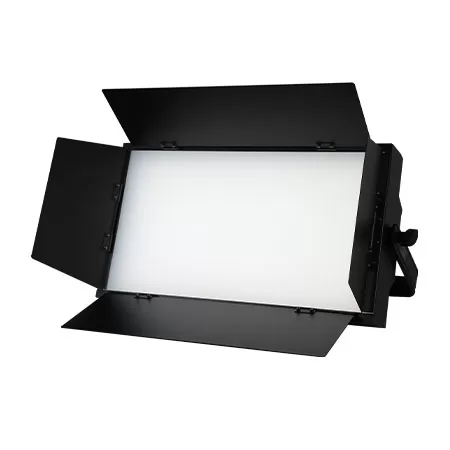
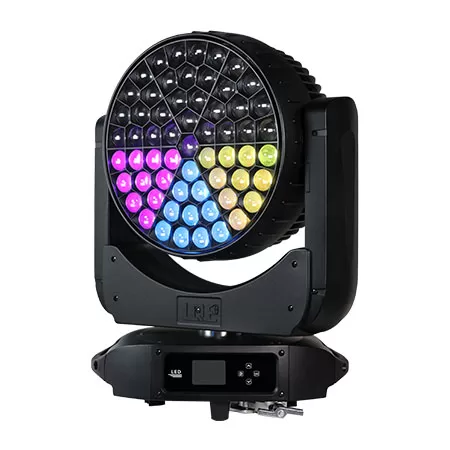
Wash Lights: Provide broad, even coverage over large areas, ideal for background illumination, soft ambiance, or general stage coverage.
-
Fresnel Lanterns: Equipped with stepped lenses to produce soft-edged, slightly focused beams, suitable for gentle highlighting without harsh shadows.
-
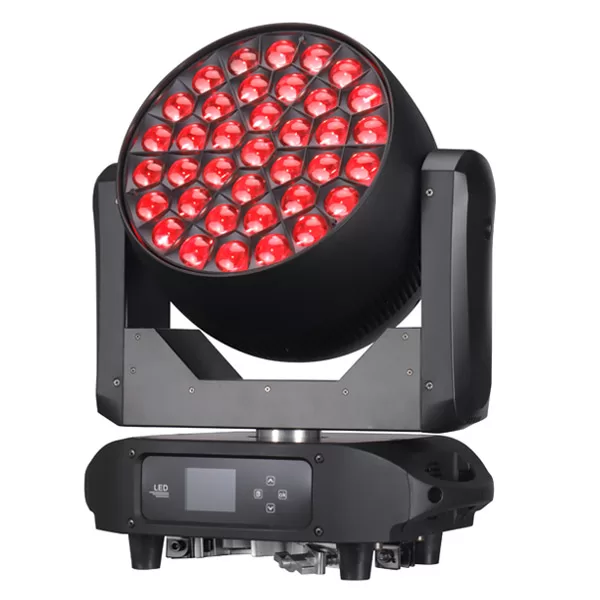
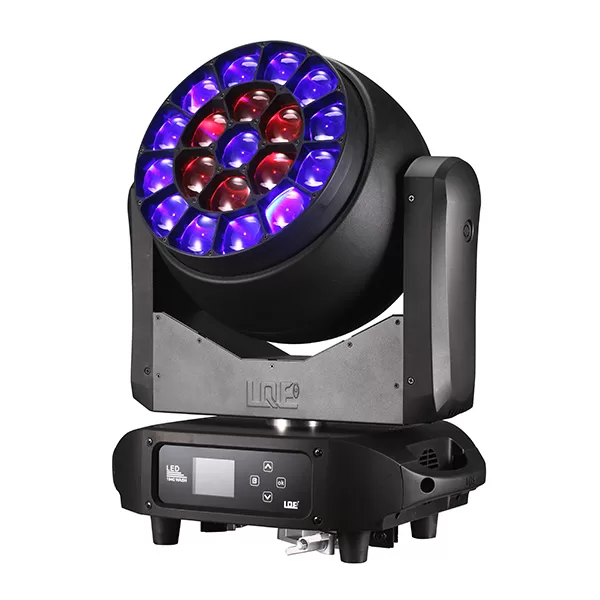
Design Function & Product Reference: Often used as fill or background lights, these fixtures establish a smooth base layer of illumination across the stage. Position wash lights to cover the stage evenly and use Fresnels to accent key areas. Browse our Wash Lights & Fresnel Lanterns for premium stage lighting solutions.
-
Advanced Design Considerations
Balancing Intensity & Contrast
Maintaining the right balance between key and fill lights is essential for achieving depth, texture, and mood. Use lighting ratios—such as 2:1 or higher—to control contrast effectively. Adjust dimmers or LED intensity controls during rehearsals to fine-tune brightness, ensuring the scene is neither flat nor overly harsh, while preserving the intended emotional impact and visual focus.
Cue Programming & Color Transitions
Lighting should complement the story’s emotional and narrative arc throughout the performance. Plan cues that shift brightness and color smoothly, creating dynamic changes that follow the onstage action precisely. With tunable LED fixtures, transitions can be subtle, continuous, and highly flexible. For traditional lights, gel swaps or gradual fades achieve similar effects, allowing lighting to evolve naturally with the performance and enhance audience engagement.
Rigging & Safety
Proper rigging and safety practices are critical in every stage lighting setup. Fixtures, especially back lights, should be securely mounted to prevent accidents and ensure consistent operation. Manage cables and power carefully to avoid overloads or hazards. Consider heat output, ensuring lamps do not pose risks to actors, set elements, or delicate materials. Safety planning is integral to both technical reliability and overall performance quality.
Testing & Iteration
Technical and dress rehearsals provide essential opportunities to refine lighting setups for maximum impact. Test angles, intensities, and color schemes under real performance conditions to ensure accuracy. Actor movement, set changes, and costume reflectivity can all affect how lights appear, so iteration ensures consistency, clarity, and visual storytelling effectiveness. Continuous adjustment helps achieve both aesthetic goals and practical functionality on stage with confidence.
Real‑World Examples
-
Lighting design theory comes to life in our real productions, showcasing how principles like three-point lighting, color temperature, and fixture selection create compelling stage experiences. You can explore a variety of our projects on the Cases Page, which highlights everything from concerts to corporate events.
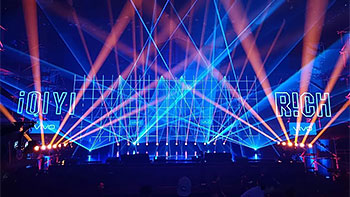
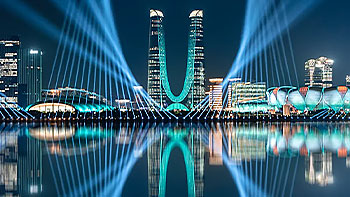
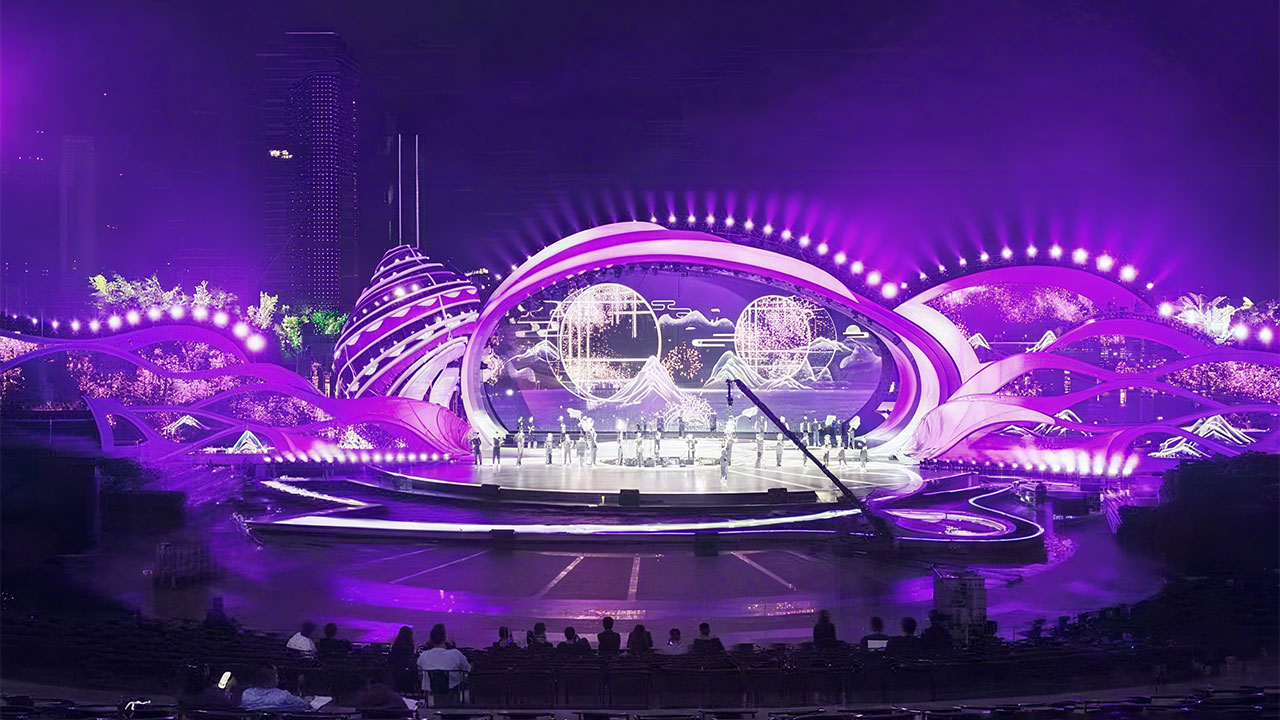
- One standout example is our 20 m high concert stage in Zhejiang, China, where we deployed powerful beam, wash, and profile lights to transform the towering structure into a dynamic, light-filled spectacle. Another is our fog-free outdoor show in Xiamen, which used high-output moving beams and weatherproof LED washes to create dramatic aerial effects under a clear sky.
Conclusion
Mastering stage lighting begins with a solid grasp of fundamental techniques. The three‑point lighting setup provides structure and depth, color temperature offers emotional nuance, and fixture choice allows for tailored design solutions. By combining these principles thoughtfully, lighting designers can craft powerful, expressive, and visually coherent environments. As you gain experience, don’t hesitate to experiment — subtle adjustments to angle, intensity, or color often make the difference between good and exceptional lighting.
Distributor
What is your typical lead time for distributor orders?
Our standard production lead time is 15–30 working days depending on order volume and customization requirements. For stocked models or repeat orders, we can offer shorter delivery times.
What support does LQE offer to its distributors?
We provide our distributors with a full package of support, including:
Marketing materials and product catalogs
Technical training and manuals
Fast-response after-sales service
Exclusive regional pricing and policies (for qualified partners)
Priority access to new products and updates
Is there a minimum order quantity (MOQ) to become a distributor?
MOQ requirements vary based on the product line and market region. However, for long-term distribution partnerships, we are flexible and can start with a trial order to build trust.
What types of companies can become LQE distributors?
We welcome partnerships with companies that have experience in the entertainment, AV, lighting, or stage equipment industries. Whether you are a local reseller, importer, system integrator, or project contractor, we are open to exploring win-win cooperation.
1000w
Does LQE Offer a Stage Light Design Solution?
LQE experienced team glad to supply a stage lighting configuration design solution or suggestion for projector who don’t have much experience in lighting design, project, theatre and studio.
Want to learn more information?
[Reach out to us and receive professional guidance, a personalized quote, and the best solution for your needs.]
LQE is a professional LED stage lighting manufacturer, focusing on OEM/ODM and high-end customization.
◼ Contact LQE
Email: kyle@lqelighting.com
WhatsApp: +86 180 2413 9579
Address: No. 8 Road Liguan, Guanyao, Nanhai District, Foshan, China.
Linkedin
YouTube
Whatsapp: +8618924548390
TikTok