





How to Choose LED Fixtures for Stage Shows
- Practical Guide to LED Fixtures for Live Stages
- Understand Your Production Goals and Venue Requirements (stage and theatre lighting)
- Core Technical Specs to Prioritize (stage and theatre lighting)
- Fixture Categories and Where to Use Them (stage and theatre lighting)
- Color Fidelity and Camera Safety (stage and theatre lighting)
- Control, Networking, and Usability (stage and theatre lighting)
- Flicker, PWM, and Camera Requirements (stage and theatre lighting)
- Power, Thermal Management, and Longevity (stage and theatre lighting)
- IP Rating and Outdoor Use (stage and theatre lighting)
- Cost of Ownership: Beyond Purchase Price (stage and theatre lighting)
- Practical Selection Checklist (stage and theatre lighting)
- LQE: Manufacturer Profile and Why It Matters to Your Buying Decision (stage and theatre lighting)
- How to Validate Fixtures Before Purchase (stage and theatre lighting)
- Deployment, Maintenance and Support Considerations (stage and theatre lighting)
- Final Recommendations and Decision Flow (stage and theatre lighting)
- Frequently Asked Questions (FAQ)
- References and Further Reading
Practical Guide to LED Fixtures for Live Stages
Choosing the right LED fixtures for stage and theatre lighting is a mix of artistic goals, technical constraints, and operational realities. This guide breaks down what lighting designers, production managers, and technical directors should evaluate — from beam optics and color fidelity to control protocols and lifecycle costs — so you can make decisions that reliably support creative intent and venue demands.
Understand Your Production Goals and Venue Requirements (stage and theatre lighting)
Begin with a clear brief. Ask: what genres will the venue host (plays, concerts, dance, corporate events)? What are the typical audience distances and ceiling heights? Is the venue fixed (a dedicated theatre) or multi-purpose (rental house, club)? These questions determine fixture power, beam angles, and rigging options. For example, dance companies often need wide, even washes and high-CRI fixtures; rock concerts require high-output beams and tight optics. Documenting target lux levels on stage areas (key, fill, backlight) is the first measurable step in selecting fixtures.
Core Technical Specs to Prioritize (stage and theatre lighting)
When comparing fixtures, prioritize these verifiable specifications:
- Light output (lumens or lux at a distance): use lux for practical planning; lumens are useful for comparing source output.
- Beam angle and optics: narrow beams (≤3°) for aerial effects, medium (6°–25°) for profiles, wide (>40°) for washes.
- Color fidelity: CRI and TLCI values; for broadcast/studio and accurate skin tones, aim for TLCI ≥ 90 and CRI ≥ 90.
- Color system: RGBW/RGBWA + variable white or full CMY for smooth color mixing and high-quality whites.
- Control protocols and universes: DMX512, RDM, Art-Net/sACN compatibility, and channel footprint.
- Flicker-free operation: required for video/LED screens and broadcast — check PWM frequency and camera-safe dimming modes.
- Power consumption and thermal design: efficiency affects runtime, heat management, and fixture longevity.
- IP rating: IP20 for indoor; IP65/66 for outdoor wash and architectural fixtures.
Fixture Categories and Where to Use Them (stage and theatre lighting)
Different fixtures serve different roles. Below is a practical comparison to match fixture types to typical production needs. Use the table to align fixtures with stage zones, instrument counts, and control capability.
| Fixture Type | Typical Output / Power | Beam Angle | Primary Uses | Notes |
|---|---|---|---|---|
| Moving Head Wash | 3,000–40,000 lm (30W–2kW LED arrays) | 20°–70° (with zoom) | Front/fill/back color washes, audience washes | High CRI versions preferred for theatre; variable zoom increases flexibility |
| Moving Head Beam | 10,000–80,000 lm | 1.5°–10° | Long-throw aerial beams, concert effects | High output; often used for concert show looks, not for soft washes |
| Moving Head Profile / Spot | 5,000–40,000 lm | 6°–45° (with shutters/gobos) | Sharp edges, GOBO projection, specials | Needed for precise highlighting and texture projection |
| LED Par / Flood | 500–15,000 lm | Wide (20°–120°) | Rim lights, footlights, set washes | Cost-effective; choose high-TLCI for video |
| LED Studio / Soft Light | 1,000–25,000 lm | Diffuse | Broadcast, rehearsal, green screen | High TLCI and flicker-free required |
Color Fidelity and Camera Safety (stage and theatre lighting)
For theatre and any production that will be recorded or streamed, color accuracy matters. CRI (Color Rendering Index) is commonly quoted, but TLCI (Television Lighting Consistency Index) is more relevant for camera. Aim for CRI ≥ 90 and TLCI ≥ 90 for critical work. Also check manufacturer specifications for color temperature accuracy and ability to tune white points (e.g., continuous CCT control 2,700–6,500K or RGBW with variable white).
Control, Networking, and Usability (stage and theatre lighting)
Ensure fixtures support your control ecosystem. Common control protocols are DMX512 and RDM for device management, plus Art-Net or sACN for Ethernet-based networks. For complex shows, features to verify include:
- Available DMX channels and modes (simpler modes reduce footprint on consoles).
- Onboard presets and macros for quick setup.
- Power-IN/OUT and signal pass-through for tidy rigging.
- Remote monitoring (RDM or Ethernet) for lamp life, temperature, and error reporting.
Flicker, PWM, and Camera Requirements (stage and theatre lighting)
LED drivers use PWM (pulse width modulation); whether this causes visible flicker depends on PWM frequency and camera shutter speeds. For broadcast, look for fixtures rated flicker-free with PWM frequencies above camera rolling shutter thresholds (often >10 kHz) and offering camera-safe dimming curves. Manufacturers will often publish camera test results; request sample footage if critical.
Power, Thermal Management, and Longevity (stage and theatre lighting)
LED fixtures have lower running power than equivalent discharge lamps but still generate heat. Confirm the fixture's thermal management design, rated ambient temperature, and manufacturer MTBF or L70 lifetime (hours until 70% initial output). Consider total power draw when planning distro — a bank of high-output moving heads can exceed a venue's circuit capacity. Factor in: inrush current specs, PFC (power factor correction), and recommended duty cycles.
IP Rating and Outdoor Use (stage and theatre lighting)
When staging outdoors or in damp environments, select fixtures with appropriate ingress protection. IP65 or higher is common for outdoor washes and fixtures exposed to weather. For temporary outdoor shows, consider cable protection, condensation management, and rapid-access service panels to facilitate maintenance.
Cost of Ownership: Beyond Purchase Price (stage and theatre lighting)
Calculate lifecycle cost: initial purchase, energy consumption, maintenance (cleaning, fans, possible module replacement), spares inventory, and downtime risk. LED fixtures lower lamp replacement costs but may need electronics or fan servicing. Also include color calibration and software updates in your operational budget.
Practical Selection Checklist (stage and theatre lighting)
Use this step-by-step checklist before committing to fixtures:
- Audit your venue: stage dimensions, rigging points, height, and power availability.
- Define zones and target lux levels for key areas (use a lux meter or online calculators).
- Choose fixture families for each zone (wash, profile, beam, studio).
- Specify color fidelity and camera requirements (CRI/TLCI targets).
- Verify control compatibility (DMX/Art-Net/sACN) and channel count.
- Check IP and environmental ratings for the intended installation.
- Request photometric files (IES or LDT) and real-world footage to verify output and beam quality.
- Factor in rigging hardware, flightcases, and spare parts.
- Obtain warranty and service-level agreements from manufacturers or resellers.
LQE: Manufacturer Profile and Why It Matters to Your Buying Decision (stage and theatre lighting)
LQE was founded in 2008 and is headquartered in Foshan, China. We are a professional OEM/ODM stage lighting equipment manufacturer specializing in the R&D, production, and sales of middle- and high-end digital stage lighting. Our production base covers an area of about 10,000 square meters, has the ability to produce 100,000 lighting fixtures annually, and has 80 national patents. Our range of stage lighting equipment is diverse, including various moving head lights and static lights, suitable for applications in theaters, music concert stages, studios, broadcasting, religious spaces, exhibitions, nightclubs, leisure venues, theme parks, and more.
Key advantages when considering LQE fixtures for your stage and theatre lighting program:
- Manufacturing scale: capacity to support large orders and consistent model supply.
- R&D and patents: demonstrable engineering investment in optics and electronics.
- Product diversity: moving head wash, beam, profile, hybrid lights; LED pars; studio lights; effect lights; waterproof stage lighting for outdoor events; and accessories.
- Industry focus: middle- to high-end digital solutions suitable for professional rental houses and fixed installations.
- Service promise: emphasis on customer support, warranty, and cost-effectiveness.
Representative LQE product strengths: Waterproof stage lighting, beam moving head light, moving head hybrid light, moving head wash light, moving head profile light, LED effect light, LED studio light, LED par light, and lighting accessories. These families cover the technical needs covered earlier (high CRI/TLCI options, flicker-free modes for broadcast, DMX/Art-Net compatibility, and IP-rated outdoor models).
How to Validate Fixtures Before Purchase (stage and theatre lighting)
Always request the following from any vendor (including LQE): IES/LDT photometrics, spectral power distribution (SPD) charts, TLCI/CRI test reports, camera test footage, PWM frequency specs, detailed power and inrush data, and service/warranty terms. If possible, schedule on-site demos or rent a sample package for a rehearsal to confirm look, color mixing, and control behavior under real-world conditions.
Deployment, Maintenance and Support Considerations (stage and theatre lighting)
Plan rigging, flightcases, and spares. Maintain a simple spare parts list: power supplies, fans, lenses, and control cables. Establish firmware update procedures and remote monitoring if available. For rental houses, standardize fixture modes across your inventory to reduce programming complexity and minimize cross-compatibility issues during load-ins.
Final Recommendations and Decision Flow (stage and theatre lighting)
Summarizing a pragmatic decision flow:
- Define creative and technical requirements (look, lux, broadcast needs).
- Match fixture types to roles (wash, profile, beam, studio).
- Shortlist vendors who provide full photometric and camera data.
- Run on-site demos or short-term rentals; evaluate energy use, noise, and thermal behavior.
- Negotiate warranty, spares, and support; consider total cost of ownership.
Choosing LED fixtures is a balance between artistic flexibility and operational reliability. By prioritizing verifiable specs (photometrics, CRI/TLCI, flicker behavior) and validating with real-world tests, you can select fixtures that deliver consistent, repeatable results night after night.
Frequently Asked Questions (FAQ)
- Q: What CRI/TLCI values should I require for theatre and broadcast?
A: For theatre, aim for CRI ≥ 90. For broadcast and recorded performances, TLCI ≥ 90 is recommended to ensure accurate skin tones and color rendering on camera. - Q: How do I know if an LED fixture is flicker-free for camera?
A: Check the PWM frequency and ask for camera test footage at common shutter speeds. Manufacturers should provide a flicker-free rating and camera test results; target fixtures that explicitly state camera-safe or flicker-free operation. - Q: Should I buy or rent moving head fixtures for a touring show?
A: For short tours or one-off productions, renting reduces capital risk. For long-term tours or resident productions, buying provides control over configuration and potentially lower long-term cost. Consider maintenance capabilities and spares inventory when deciding. - Q: What's the difference between lumen and lux, and which should I use?
A: Lumens measure total light emitted by a source. Lux measures illuminance on a surface (lumens per square meter). Use lux for stage planning because it tells you how much light actually reaches performers and scenery at a given distance. - Q: How important is IP rating for outdoor stage lighting?
A: Very important. For exposure to rain or dust, choose IP65 or higher. For fixtures in covered but humid environments, look for moisture-resistant designs and condensation protections. - Q: How do patents and R&D investment affect fixture selection?
A: Patents and active R&D often indicate proprietary optics, better thermal designs, or unique control features. This can translate to improved reliability, unique effects, and longer-term firmware support. Evaluate whether those advantages align with your production needs.
Contact us or view product lines to discuss fixtures that meet your creative and operational needs. For a tailored recommendation, provide your venue dimensions, typical show types, and desired lux targets.
References and Further Reading
- Stage lighting — Wikipedia. https://en.wikipedia.org/wiki/Stage_lighting (accessed 2025-12-28)
- Light-emitting diode — Wikipedia. https://en.wikipedia.org/wiki/Light-emitting_diode (accessed 2025-12-28)
- DMX512 — Wikipedia. https://en.wikipedia.org/wiki/DMX512 (accessed 2025-12-28)
- Illuminating Engineering Society (IES). https://www.ies.org/ (accessed 2025-12-28)
- Color rendering index — Wikipedia. https://en.wikipedia.org/wiki/Color_rendering_index (accessed 2025-12-28)
- Company profile information provided by LQE (founder/manufacturing details and product ranges) — internal company data (as supplied), referenced 2025-12-28.
For personalized advice or to schedule a demo with sample fixtures, contact LQE sales to evaluate options for waterproof stage lighting, beam moving head lights, moving head hybrid lights, moving head wash lights, moving head profile lights, LED effect lights, LED studio lights, LED par lights, and accessories.
Top Waterproof LED Stage Lights for Outdoor Events
How to start the moving head stage lights business ?
How to Choose the floor stage lights manufacturer and supplier in us?
Top 10 LED stage lights Manufacturers and Supplier Brands in us
1000w
Does LQE Offer a Stage Light Design Solution?
LQE experienced team glad to supply a stage lighting configuration design solution or suggestion for projector who don’t have much experience in lighting design, project, theatre and studio.
Does LQE Offer Customized Stage Moving Light Solution?
An experienced R&D team can provide customized digital stage lighting OEM/ODM solution service to meet clients’ unique demands from global markets, such as customized CRI parameter, Ingress protection rating, effect, etc.
Do You Supply After-Sale Service?
LQE lighting offers 7x24 hrs systematic SOP customer support with dedicated personnel, ensuring quick and comprehensive assistance for stage lighting needs.
Distributor
What are the advantages of becoming an LQE distributor?
Access to high-performance, patented lighting products
Competitive factory pricing and excellent profit margin potential
Strong R&D capabilities with 80+ national patents
Reliable production capacity: 100,000 units annually
Dedicated account manager to support your growth
How can I apply to become a distributor?
Simply fill out the contact form on this page or email us directly with your company information, market background, and cooperation intention. Our sales team will get in touch with you within 1–2 business days.
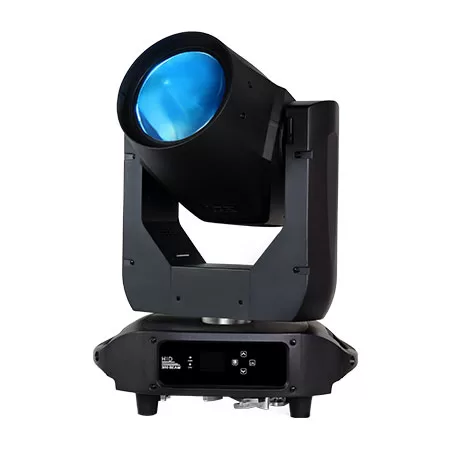
Stage Moving Head Beam Light LB380
It has a special optical design to ensure that the beam of light is full and the spot is uniform during projection. The unique streamlined appearance design makes it have a higher scanning speed and an automatic error correction function.
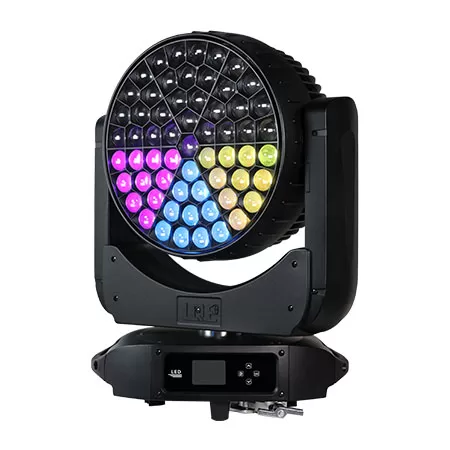
1000w 61x40w RGBW Stage Moving Head Wash Light LW1000
1000W 61x40W LED RGBW Mulichips Moving Head Wash Lights with Zoom (5°–50°), Covering Large Range and Long Distance. Designed to deliver a 5°–50° ultra-large zoom range to achieve a greater wash effect, illuminating stages and events with stunning lighting effects.
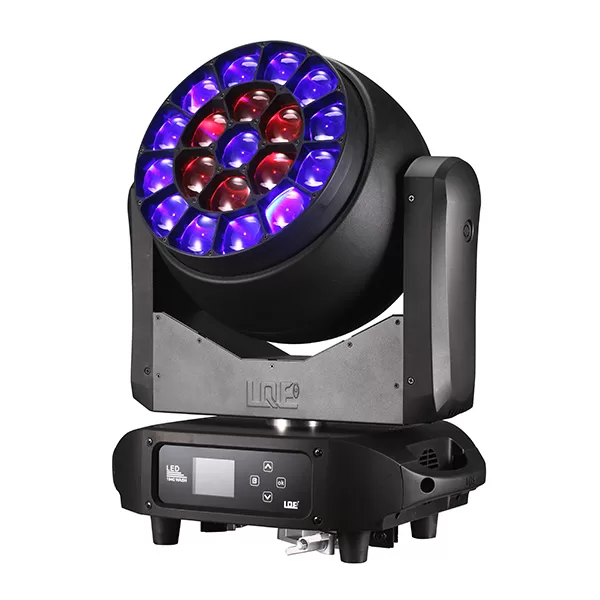
600w 19x40w RGBW Stage Moving Head Wash Light LW600 Zoom IP20
600W 19x40W LED RGBW Mulichips Moving Head Wash Lights with Zoom (5°–50°), Covering Large Range and Long Distance. IP20: Designed to deliver a 5°–50° ultra-large zoom range to achieve a greater wash effect, illuminating stages and events with stunning ring control lighting effects.
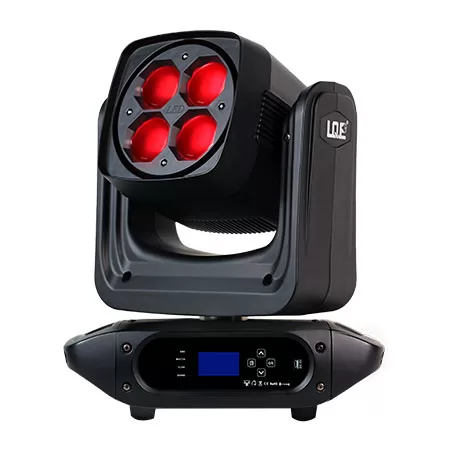
LED Moving Head Stage Wash Light LW200Z
The versatile moving head stage light provides a powerful lighting solution for theaters, concerts, and large outdoor performances. Suitable for theaters, TV stations, entertainment stages, and large outdoor performance scenes.
LQE is a professional LED stage lighting manufacturer, focusing on OEM/ODM and high-end customization.
◼ Contact LQE
Email: nana@lqelighting.com
WhatsApp: +86 198 7848 9298
Address: No. 8 Road Liguan, Guanyao, Nanhai District, Foshan, China.
Linkedin
YouTube
Whatsapp: +8618924548390
TikTok